
An acrylic medical device enclosure has to be clean, clear and consistent – the transparent housing on a monitor, analyser or diagnostic instrument is what patients and technicians see every day. Cast acrylic gives healthcare equipment that clean, optical-quality surface, and it works like a fabricator’s material: it thermoforms into housings, CNC-cuts for openings and buttons, and screen-prints a clear front panel. For a medical OEM sourcing enclosure panels, acrylic is the reliable, lightweight choice for transparent housing and observation windows.
Thank you for reading this post, don't forget to subscribe!A Real Project: Supplying Transparent Housings for a Diagnostic Instrument
A medical OEM building a benchtop diagnostic instrument needed a transparent acrylic housing that let operators see the sample and status inside, with a clear front panel and openings for controls. RP supplied acrylic medical device enclosure panels fabricated to the device drawing.
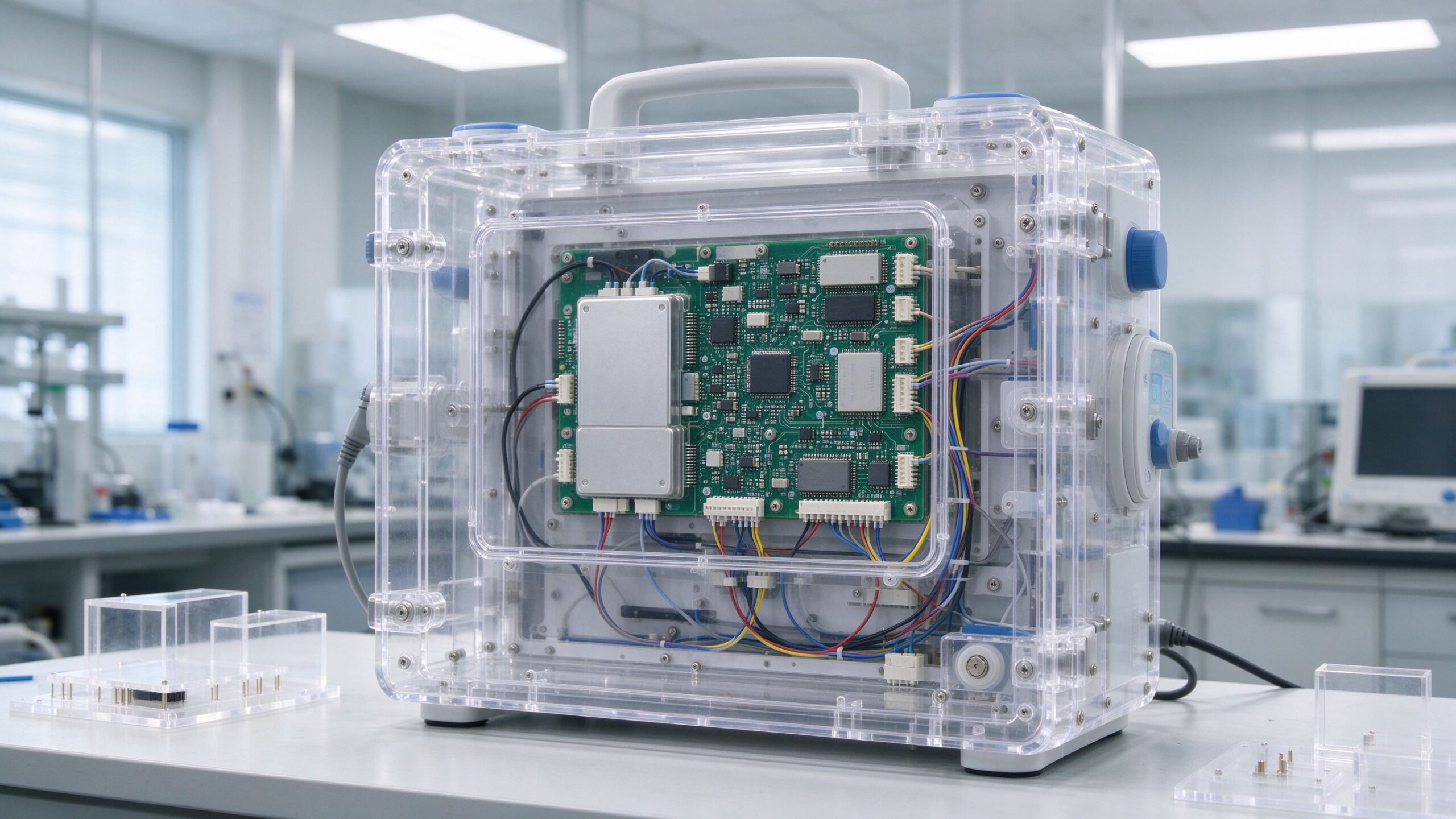
- Material: cast acrylic sheet for the optical clarity and clean machining the instrument needed.
- Thickness: panels in the 3-8mm range – thin enough to be light, thick enough for a rigid enclosure.
- Forming: thermoformed sections where the housing needed curves and boxed corners.
- Fabrication: CNC-cut openings for controls and displays, drilled holes, and edge finishing for a clean, safe rim.
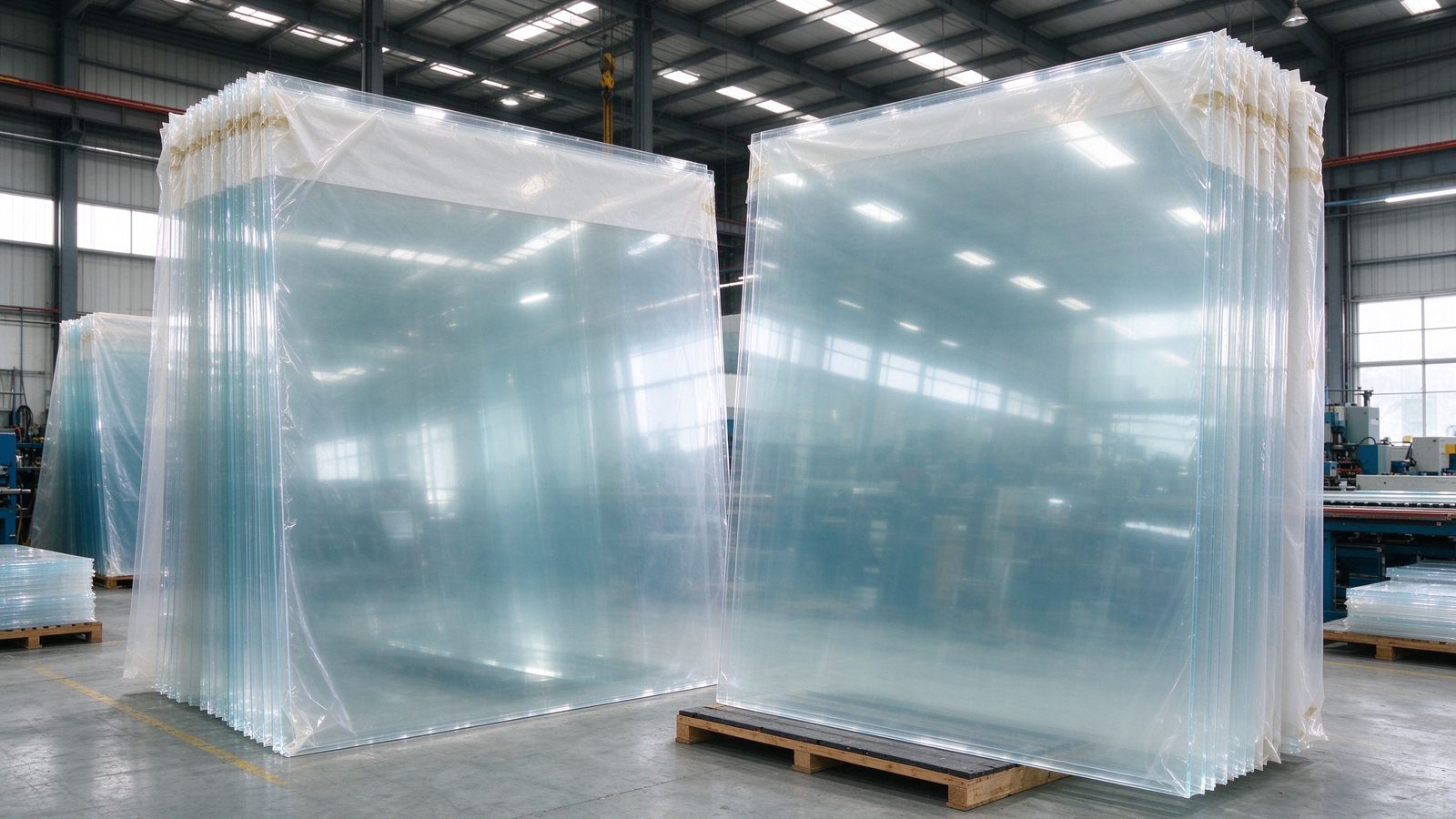
Specifying an Acrylic Housing That Builds Clean
A medical enclosure is specified for how it looks, how it cleans and how it assembles. The panel thickness, the forming, the machining and the finish all have to suit the device and the production line.
- Clarity: cast acrylic keeps the transparent housing and window optically clear with low distortion.
- Forming and machining: thermoforming, CNC cutting and drilling let the housing match the device geometry.
- Finish: a smooth, scratch-resistant surface that cleans easily and holds up to repeated wiping.
- Documentation: fabricated parts supplied to the device drawing with the dimensional accuracy the build needs.
The Two Mistakes in a Medical Enclosure Project
- Specifying the wrong grade for clarity or impact. A clear housing needs cast acrylic’s optical quality; if the part must also take impact, compare with polycarbonate on the application instead of assuming one grade covers all.
- Skipping edge finishing on machined parts. Raw-cut acrylic edges can be sharp; a polished or rounded edge is what gives a medical device a clean, safe finish.
Frequently Asked Questions
Is acrylic suitable for medical device enclosures?
Yes. Cast acrylic gives a clear, optical-quality housing and observation window, and it machines, thermoforms and screen-prints cleanly. It is used for device enclosures, instrument covers and transparent panels where clarity, lightweight and a clean finish matter. For impact-critical housings, specifiers compare acrylic with polycarbonate on the application.
Can acrylic enclosure parts be supplied thermoformed or cut to drawing?
Yes. Acrylic enclosure panels can be supplied as flat cut sheets, or thermoformed into curved and boxed housings, with CNC-cut openings, drilled holes and edge finishing. Send the drawing or the device dimensions and we fabricate the panels to fit.
How do you keep acrylic surfaces clean for medical use?
Acrylic cleans easily with mild, non-abrasive wipes and does not absorb the way porous materials do. The clear surface can be protected with a hard coating where repeated cleaning and mild abrasion are expected.
Contact RP River People Plexiglass at oversales@rpplexiglass.com with your device drawing or enclosure dimensions for a fast, clean-fitting quotation.