
Language
River People supplies custom acrylic aquarium tunnel sections and oceanarium viewing windows for public aquarium projects. For oceanarium windows, aquarium acrylic sheets and curved tunnel sections, send the clear opening, maximum water depth, support layout and destination for review. Our scope includes panel supply, fabrication, engineering calculations, installation guidance and on-site installation, as agreed for the project.
Discuss your oceanarium project. For other applications, explore aquarium panels or acrylic swimming pool windows and walls.
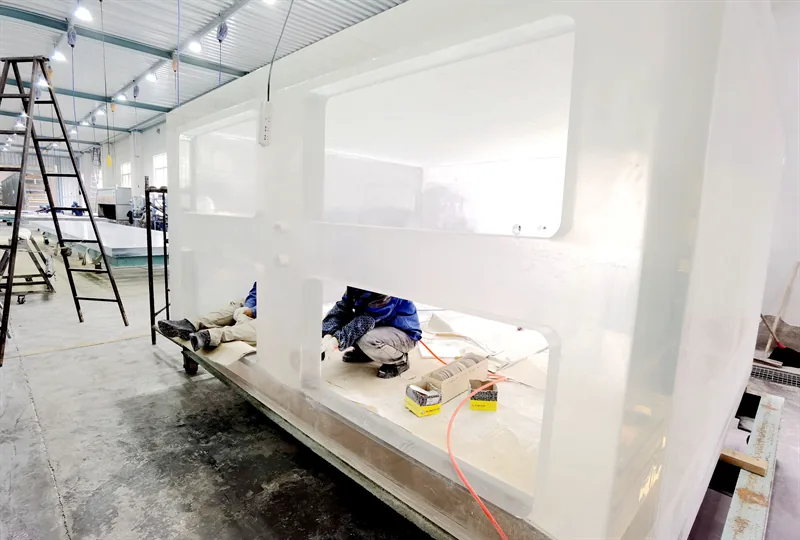
Oceanarium application planning
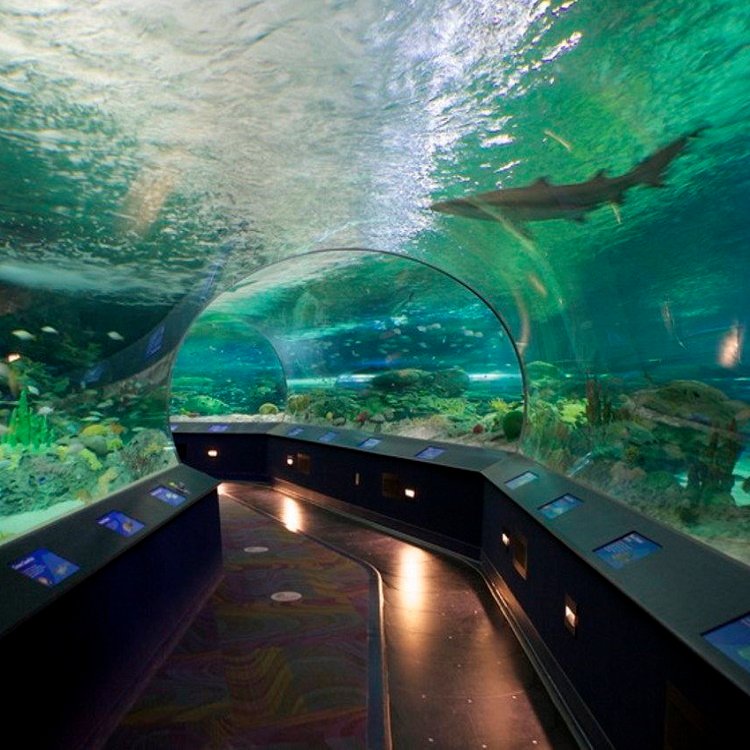
Public aquarium viewing window — application example. Specify water depth, clear opening, support conditions and joint locations before selecting panel thickness. Dimensions and completed-project references must be confirmed for the proposed supply.
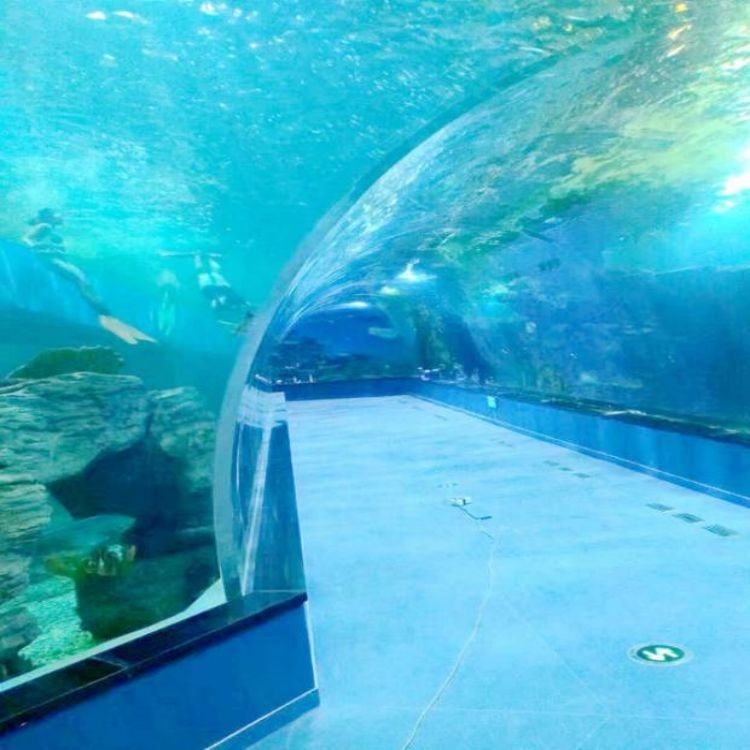
Underwater tunnel — application example. Curvature, segment layout, joints, transport envelope and installation sequence require a project-specific engineering review. The images illustrate applications; they do not establish a verified RP project reference.
Choose the enquiry route that matches the project: individual aquarium viewing panels, curved tunnel geometry and joint review, or supplier qualification for large aquarium acrylic. The project design-input table below brings the required geometry and operating information together.
Discuss acrylic viewing windows and tunnel sections with RP. Send your drawings and operating conditions so the proposed material, fabrication route and supply scope can be reviewed. Engineering responsibility, fabrication capability, inspection documents and installation support must be agreed in the quotation.
Oceanarium windows and acrylic tunnel sections
- Main viewing windows — panel thickness and supports require qualified structural review.
- Underwater tunnels — curved / arc sections and dome roofs
- Cylindrical and corner tanks — edge-bonded clear columns
- Shark tank & large exhibit walls — multi-panel bonded assemblies
- Landmark lobby water features — hotel, shopping mall, corporate headquarters
- Special exhibit windows — confirm temperature, cleaning chemicals and operating conditions.
Engineering capability
- Panel construction. Confirm grade, available thickness, traceability and long-term material data for the proposed environment.
- Bond qualification. Specify joint geometry, process qualification, inspection and documented strength criteria; do not assume a joint equals parent-material strength.
- Curved sections. Confirm forming capability, radius tolerance, optical acceptance and dimensional inspection before ordering.
- Structural assessment. The responsible project engineer should review hydrostatic loads, long-term behavior, temperature, support conditions and the applicable design criteria.
- Delivery and installation scope. Agree packing, lifting provisions, drawings, sealing interfaces and on-site responsibilities in writing.
Project design inputs
| Application | Project-specific design inputs |
|---|---|
| Public aquarium window | Opening size, water depth, support details and acceptance criteria |
| Underwater tunnel | Radius, length, segment/joint layout and access constraints |
| Lobby feature tank | Geometry, temperature, public access and maintenance |
| Small exhibit / touch pool | Opening size, impact exposure, cleaning and edge details |
Technical specifications
| Item | Requirements to confirm |
|---|---|
| Material and traceability | Specify PMMA grade and require supplier documentation for the delivered batch. |
| Optical performance | Agree transmission, haze, distortion, thickness and test conditions; request measured data. |
| Panel size and thickness | Confirm manufacturing and transport limits after structural review. |
| Joints | Require qualified process, inspection plan and documented joint acceptance. |
| Long-term service | Assess creep, water exposure, temperature and maintenance for the design life. |
| Packing and delivery | Confirm supports, surface protection, handling and inspection at receipt. |
How a project runs with RP
- Concept review. Send tank layout, water depth, operating conditions and viewing requirements for an initial scope review.
- Thickness & panel layout. Agree who provides the structural calculations, panel layout and joint design before order confirmation.
- Manufacturing. Confirm the manufacturing route, responsible facility, inspection stages and required records in the purchase specification.
- Delivery & support. Agree freight packing, delivery terms and the extent of installation guidance in the quotation.
Request a project review. Send drawings, water depth, destination, quantity and target date through our quotation form or email oversales@rpplexiglass.com. Scope, availability and response timing will be confirmed after review.
Acrylic aquarium tunnels: define the complete project scope
A public aquarium tunnel is ordered as a coordinated assembly of viewing sections, supports and joints. Start with the visitor route, tunnel cross-section, water depth and segment layout, then identify the design and supply responsibilities. A curved acrylic section should be reviewed together with the support interfaces and installation sequence.
Separate the requirements for straight viewing windows, curved tunnel sections and site joints in the panel schedule. Include the available delivery route, lifting access and protected storage area. Confirm the inspection and commissioning documents required by the project team before agreeing fabrication and installation scope.
Use the acrylic tunnel section specification guide to organize the supply brief, and the tunnel installation readiness checklist for site planning. For an individual flat or curved tank window, start with custom acrylic aquarium panels.
Frequently Asked Questions
Q: What is the largest viewing panel you can supply?
Available dimensions and thickness depend on the proposed grade, manufacturing route, structural design and transport limits. Send the clear opening, water depth and support details for a project-specific review.
Q: Do you support tunnels and curved sections?
Send the required radius, geometry, segment layout and installation constraints. Forming, bonding, inspection and supply scope must be confirmed for the proposed order.
Q: Do you provide engineering and installation support?
The quotation should identify who is responsible for structural design, joint qualification, installation and commissioning. Agree the required drawings, inspection records and support scope before ordering.
Related aquarium panels and material options
For individual flat or curved windows, use the acrylic aquarium panel specification page to prepare the panel schedule. For material procurement, compare cell-cast PMMA sheet options and the thick acrylic aquarium window product. Confirm which items cover material supply and which cover fabrication, engineering or installation.
Include tunnel geometry, segment joints, viewing openings, maximum water depth and support interfaces in the project brief. Coordinate these details with the responsible design team before finalizing the panel order.