
A display fabricator scored five petg sheet supplier candidates on price and selected the cheapest, then spent three months discovering that two of them could not hold a 2 mm thickness band and one shipped with a paper mask that left adhesive on the face. The specification had been right; the selection method was not.
Four things a petg sheet supplier should be able to prove
- Thickness control across a full sheet, stated as a band in millimetres
- Masking type and adhesive, and whether it survives thermoforming
- Recommended drying and forming window for the grade supplied
- Colour reference and the batch record behind it
Each of those four has a test behind it, and each has a failure mode that appears three weeks after the order.
Thickness and the forming window
Signage PETG is usually 2 to 5 mm. At 2 mm the tolerance band matters most, because a 10 per cent drift shows up as a visible step where two panels meet, and a backlit face with uneven thickness reads as uneven light.
Forming window is the second number buyers ignore. PETG forms at 120 to 160 degrees Celsius depending on grade; below that the part springs back, above it the surface marks. A supplier who can quote a window for their specific grade is a supplier who runs the material.
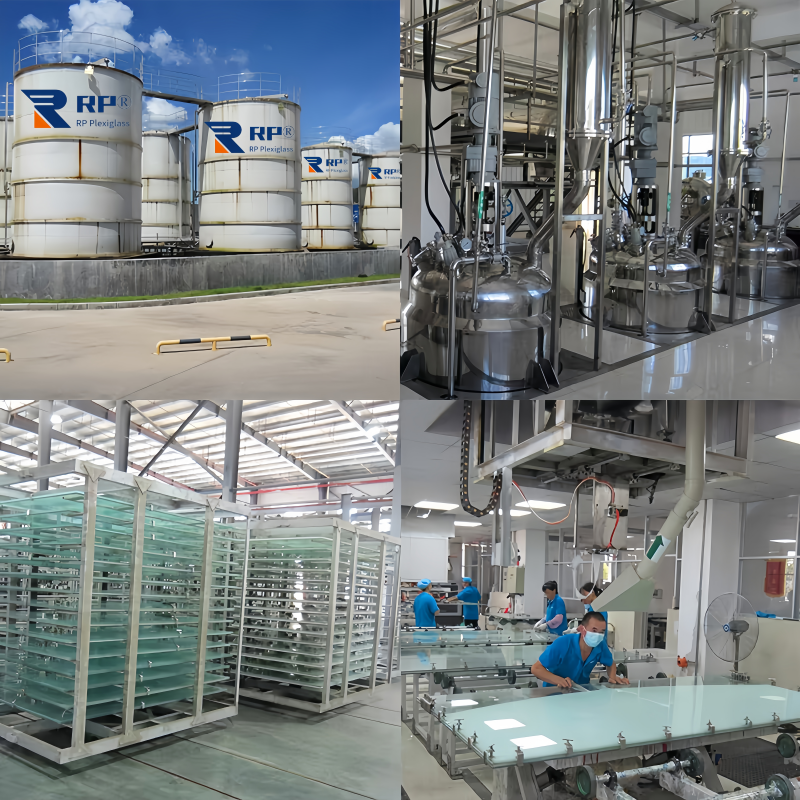
Masking, drying and the clouding problem
PETG absorbs moisture from the air, and moisture becomes haze when the sheet is heated. Two hours at 65 degrees Celsius before forming, with the sheet stacked flat and spaced, removes most of it. Suppliers who ship film-wrapped pallets with a desiccant make that easier.
Masking is the other variable. A paper mask protects well in transit and can leave adhesive that grabs in the forming oven; a PE film is cleaner and more expensive. Ask which mask is on the sheet you are quoting, not which mask the supplier prefers.
PETG against acrylic in the same shop
Acrylic is harder, clearer and better outdoors for a decade. PETG is tougher, more formable, and tolerant of cleaning chemicals that would craze acrylic. A sign shop keeps both because the choice follows the duty: acrylic for a long-life fascia, PETG for a formed counter display that will be wiped daily.
Trying to run one material for both duties costs either clarity or durability, and the argument usually surfaces at the first warranty claim. The 3 mm pricing note covers the thin end of the range that most display work uses.
The sample test that predicts a production run
Order two sheets, not a swatch. Form one at the supplier recommended temperature and one twenty degrees above it, then hold both against a light. If the higher-temperature sample clouds, the grade has a narrow window and production will be fragile. If both stay clear, the run will behave.
That single test costs two sheets and replaces a month of discovery. It is also the fairest way to compare two suppliers who both look competent on paper.
Where PETG supplies actually go
Counter displays, POS units, protective shields, machine covers, packaging trays and vending fronts. The common thread is a formed part that gets handled and cleaned rather than admired. The POS display note covers the retail case.
For a first order, specify grade, thickness band, mask, colour and drying instruction. Four lines, and the supplier conversation stops being about adjectives.
Send your display application, thickness and colour to oversales@rpplexiglass.com and we will return a sample and a landed price for the first pallet.
Frequently Asked Questions
Is PETG better than acrylic for signage?
For tough, formable, chemically tolerant faces, yes. For optical clarity and long outdoor life, acrylic is better. Most sign shops hold both and choose by duty rather than by preference.
Why does PETG cloud when thermoformed?
Usually because the sheet was dried insufficiently or heated too fast. PETG absorbs moisture, and trapped moisture becomes haze. A two-hour dry at 65 degrees Celsius before forming removes most of it.
Can PETG be solvent bonded?
It can, with the right cement, but joints are weaker than acrylic joints and less clear. For display work, mechanical fastening or welding is the more reliable route.