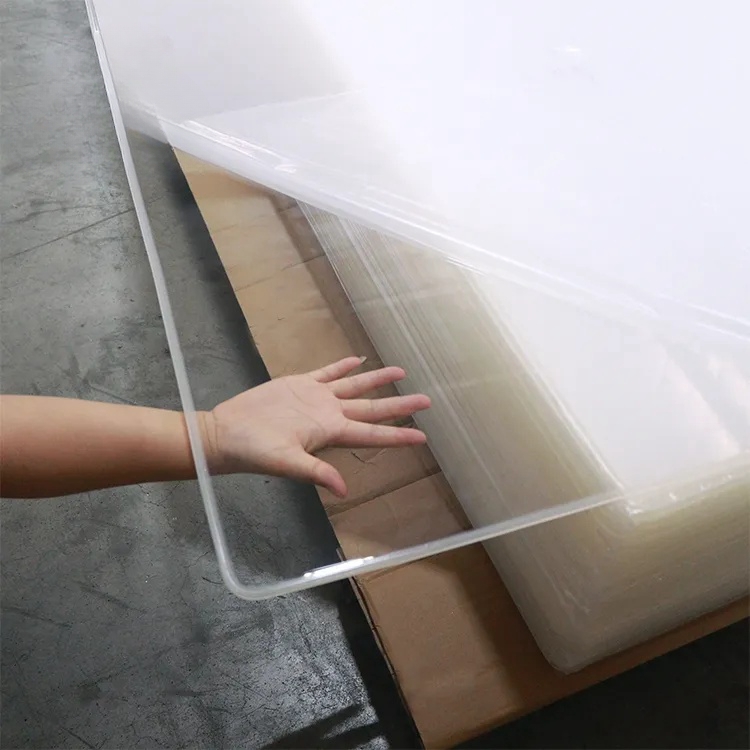
What are Cast Acrylic Sheets?
Cast acrylic sheets are engineered through a meticulous cell-casting process, where liquid methyl methacrylate (MMA) is poured between polished glass molds and thermally cured. This manufacturing process is commonly selected when projects require consistent optical quality, surface finish, machinability, and a wide range of thicknesses. For a deeper comparison of cast and extruded PMMA, see our cast vs. extruded acrylic guide. Material grade and performance should be confirmed against the specific application requirements.
Thank you for reading this post, don't forget to subscribe!Why Choose Cast Acrylic Over Extruded?
Key Advantages:
Optical Excellence
High optical clarity is available; exact light transmission depends on PMMA grade, thickness, surface finish and test method.
Low-haze, high-gloss options are available; exact haze and gloss values should be confirmed for the selected grade and thickness.
For distortion-sensitive applications, agree optical acceptance criteria for the selected grade, thickness and panel size.
Superior Machinability
Suitable cast PMMA grades can be thermoformed; achievable shape, draw and thickness distribution depend on sheet grade, starting thickness, heating, tooling and forming conditions.
Suitable grades can be laser cut and polished; edge quality depends on material grade, thickness, machine settings and fabrication process.
Edge finishing options and acceptance criteria should be agreed for the selected sheet and fabrication process.
Enhanced Durability
Chemical and solvent resistance depends on the PMMA grade, chemical concentration, temperature, exposure time and stress condition.
UV-stabilized grades can be specified for outdoor exposure; long-term performance depends on formulation, thickness, environment and project conditions.
Suitable grades are available for indoor and outdoor use; weathering performance depends on grade, exposure conditions and application requirements.
Material Integrity
Thickness tolerance depends on the selected sheet grade, thickness and manufacturing specification; confirm the applicable tolerance for the ordered material.
Cell-cast PMMA is suitable for machining, polishing and fabrication; residual stress and dimensional behavior depend on manufacturing and processing conditions.
Fabrication procedures should account for residual stress, solvents, edge preparation and annealing requirements to reduce the risk of stress cracking.
Technical Specifications
| Property | Cast Acrylic Advantage |
|---|---|
| Thickness Range | Available thickness depends on PMMA grade, casting capability, panel dimensions and project requirements; confirm before specification or ordering. |
| Standard Sizes | Sheet dimensions and cut sizes are confirmed in the quotation. Agree thickness and dimensional tolerances before ordering. |
| Surface Finish | Optically polished (both sides) |
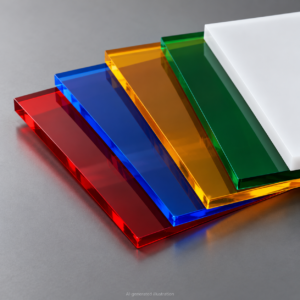
| Color Options | Clear, Tinted (Bronze, Grey, Blue, etc.), Opaque, Fluorescent |
| Certifications | Applicable standards and compliance documentation should be confirmed for the selected PMMA grade and intended application. ISO 7823 may be relevant to PMMA sheet specifications; any FDA or UL 94 claim should be verified for the specific grade. |
Applications to Review
Discuss signage, displays and fabricated components against the selected sheet specification. For aquarium viewing panels, architectural glazing or other load-bearing applications, provide project drawings and engineering requirements. Suitability for regulated, medical, aviation or protective uses must not be inferred from a general PMMA description.
Fabrication Benefits
Thermoforming: forming temperature and achievable draw depend on the PMMA grade, sheet thickness, heating method, tooling and process conditions.
CNC machining: achievable tolerances depend on sheet thickness, part geometry, machine setup, tooling and inspection requirements.
Solvent and adhesive bonding: joint appearance and strength depend on adhesive system, edge preparation, stress condition, cure and application design.
Polishes to optical-grade edges with diamond abrasives
Specify Your Cast Acrylic Sheet Order
Send the application, thickness, sheet dimensions, colour or finish, order quantity and delivery destination. For fabricated parts, include drawings, edge requirements and dimensional tolerances.
| Item | What to specify |
|---|---|
| Material and appearance | PMMA grade if specified, clear or coloured sheet, surface finish and protective masking. |
| Dimensions and fabrication | Thickness, length, width, cut sizes, machining details and drawing revision. |
| Inspection and documents | Dimensional and visual acceptance criteria, sampling requirements and any grade-specific test evidence. |
| Delivery | Quantity, destination and target schedule. Confirm production time and transport time separately. |
Does a standards reference establish product certification?
No. Agree which material specification or test method applies and which documents are needed for the selected grade. A reference to a standard is not a test report or proof of certification.
What is needed for aquarium or structural applications?
Provide the project geometry, loading, supports, joints and installation requirements for review. A general sheet description does not establish a safe panel thickness or suitability for a specific structure.
Request a Cast Acrylic Sheet Quote or email oversales@rpplexiglass.com.
Environmental Performance
PMMA can be recycled through appropriate recycling processes; actual collection, reprocessing and reuse depend on material condition and local recycling infrastructure.
Offers higher impact resistance than glass; comparative performance depends on the material grade and test method
Lower density than glass can reduce handling and structural load; project-specific weight should be calculated from the selected thickness