
A courthouse has a security brief most buildings never face: public areas must stay open and bright, while the glazing around courtrooms and holding areas has to stop real ballistic threats. Security glazing for courthouse openings therefore has to deliver both — a high UL 752 level and the clarity that keeps the building transparent and calm.
Why courthouse glazing is a different brief
The threat can include firearms, so the glazing is typically built and tested to a UL 752 level. But unlike a bank counter, courthouse glazing also carries an architectural load — optical clarity, daylight and sightlines between public and secure areas. Ballistic polycarbonate meets both: rated for the threat yet light and clear enough to keep the space open, with laminated builds for the higher grades.
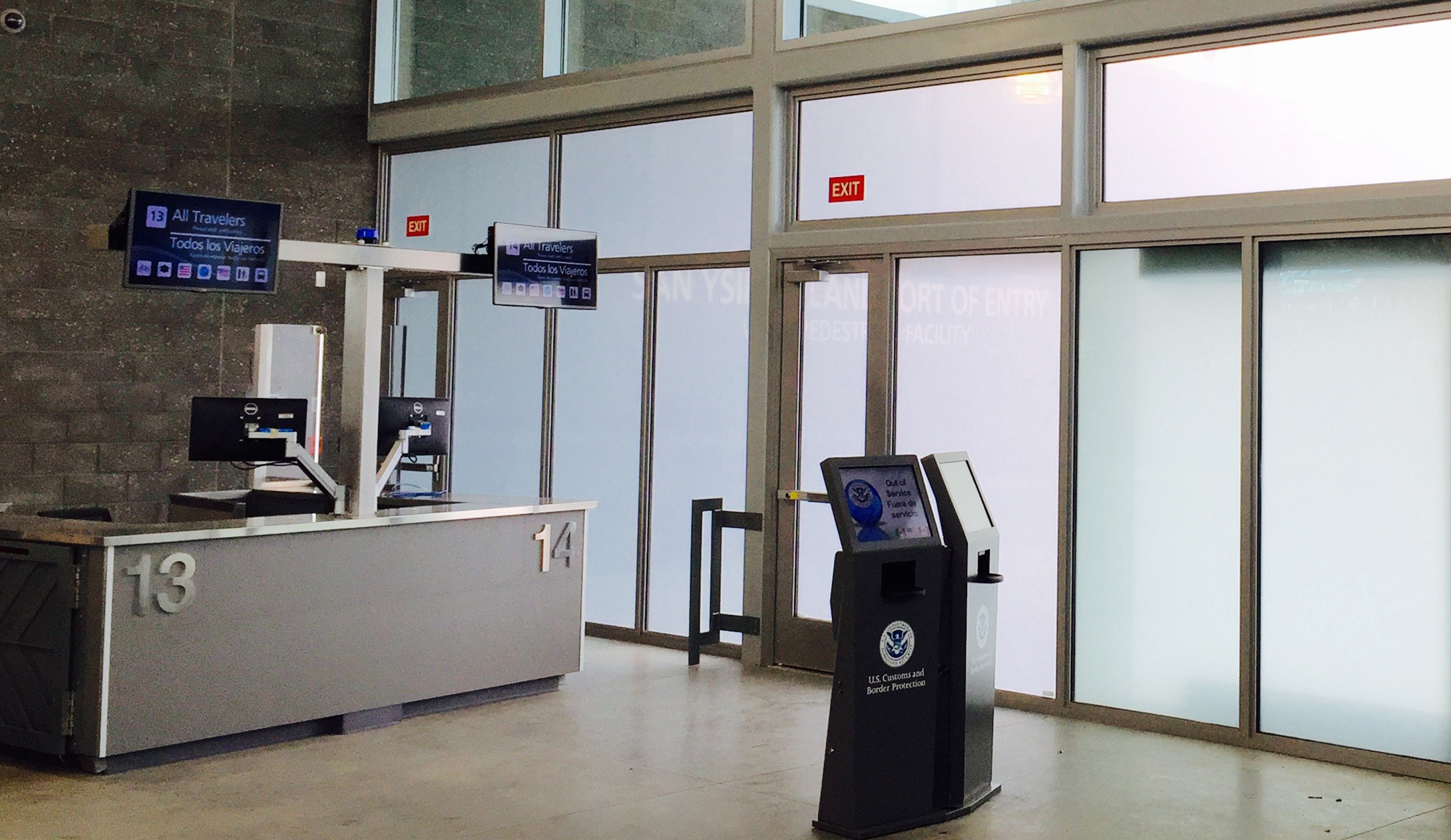
Specifying for court openings
- Confirm the UL 752 level for court and holding areas.
- Specify clear ballistic polycarbonate to keep daylight.
- Confirm the panel size and frame detail.
- Use laminated builds for the higher grades.
For the level that fits a court, see how to choose a UL 752 level, and for the ballistic panel family, ballistic polycarbonate glazing: UL752 panel guide.
Frequently Asked Questions
Q>What UL 752 level does courthouse glazing need?
A: It follows the threat assessment for courtrooms and holding areas; confirm the required level with your security advisor and the local requirement.
Q: Can court security glazing stay clear?
A:Yes, ballistic polycarbonate keeps optical clarity and daylight while providing the rated protection, which is why it suits courts and government buildings.
For a project-specific quotation on bullet resistant polycarbonate or security glazing, email oversales@rpplexiglass.com with your threat level, panel size and frame detail.