
When a transparent noise barrier panel is specified for a road or rail project, the panel is only as good as the test report behind it. A transparent noise barrier panel test report is the evidence a specifier or tenderer needs to prove the acoustic, impact and weathering claims – and it is exactly what separates a professional submission from a guess. For buyers sourcing acrylic noise barrier panels for a tender, checking the reports before you commit is how you avoid a panel that fails on site.
Thank you for reading this post, don't forget to subscribe!A Real Project: Winning a Rail Bid With the Right Evidence
A contractor bidding a rail noise barrier scheme needed transparent acrylic panels backed by the acoustic and material documentation the tender specified. Supplying the panel was only half the job – providing the transparent noise barrier panel test report that answered the tender was what carried the bid.
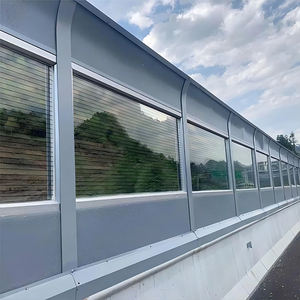
- Acoustic data: sound reduction figures matched to the rail noise target in the tender.
- Impact: evidence the panel meets the impact/load requirements for the application.
- Weathering: UV and ageing data confirming long-term clarity outdoors.
- Fragment retention: where specified, the report confirming the panel holds together under impact.
What the Reports Must Cover for a Tender
A complete file for a noise barrier bid answers the specifier’s questions in writing. Before you order, list the reports the tender asks for and match each to the panel build you plan to supply.
- Acoustic: sound reduction (and absorption if specified) to the tender’s standard.
- Mechanical: impact and load performance for the barrier application.
- Durability: weathering, UV and, where required, fragment retention evidence.
- Alignment: every report maps to the panel thickness and build you quote, so the evidence matches the product.
The Two Mistakes That Lose a Noise Barrier Bid
- Quoting a panel without the matching test report. A tender asks for evidence, not just a thickness – if the report does not match the quoted build, the bid is weak.
- Reusing a generic report. The evidence must correspond to the exact panel you supply; a mismatched report fails technical evaluation.
Frequently Asked Questions
What test reports do I need for a noise barrier tender?
For road and rail bids you typically need acoustic performance data (sound reduction and absorption where required), plus material evidence for impact, weathering and, where specified, fragment retention. These reports back the claims in your tender submission.
Do the reports correspond to recognised standards?
Yes. Acoustic and material tests are performed to the relevant regional standards for noise barrier glazing. The specifier should confirm the exact standard the tender references and ask the supplier to provide evidence to that standard.
Can you supply documentation for a specific project bid?
Yes. RP River People Plexiglass can provide the relevant test and material documentation for the project, so the bid is backed by the reports the tender asks for.
Contact RP River People Plexiglass at oversales@rpplexiglass.com for a fast, spec-first quotation.