
An acrylic shower panel is judged after two winters, not on the day it is fitted. A hotel refurbishment in Manchester replaced 120 shower linings in a single closure. The specification asked for acrylic shower panels, 8 mm, 1,200 x 2,000 mm, with a matt finish on the back face. Two years on, eleven panels had bowed away from the wall at the top edge and three had discoloured behind the sealant. Both problems traced to the fixing and sealing detail, not the sheet.
An acrylic shower panel is a simple product with three decisions that decide whether it looks new after five years: cast or extruded sheet, how the edges are sealed, and how the panel is held against the wall. Manufacturers who sell on colour range alone tend to leave the last two to the installer, which is where the failures start.
Cast sheet, 6 to 8 mm, matt or gloss
Cast acrylic takes a hot shower without distortion and holds a polish through years of cleaning. Extruded sheet is cheaper, flatter out of the box and more prone to stress crazing when it is cut and drilled, which is exactly what a shower lining needs. For a 2,000 mm panel, 8 mm cast sheet gives the stiffness that keeps the middle from oil-canning.
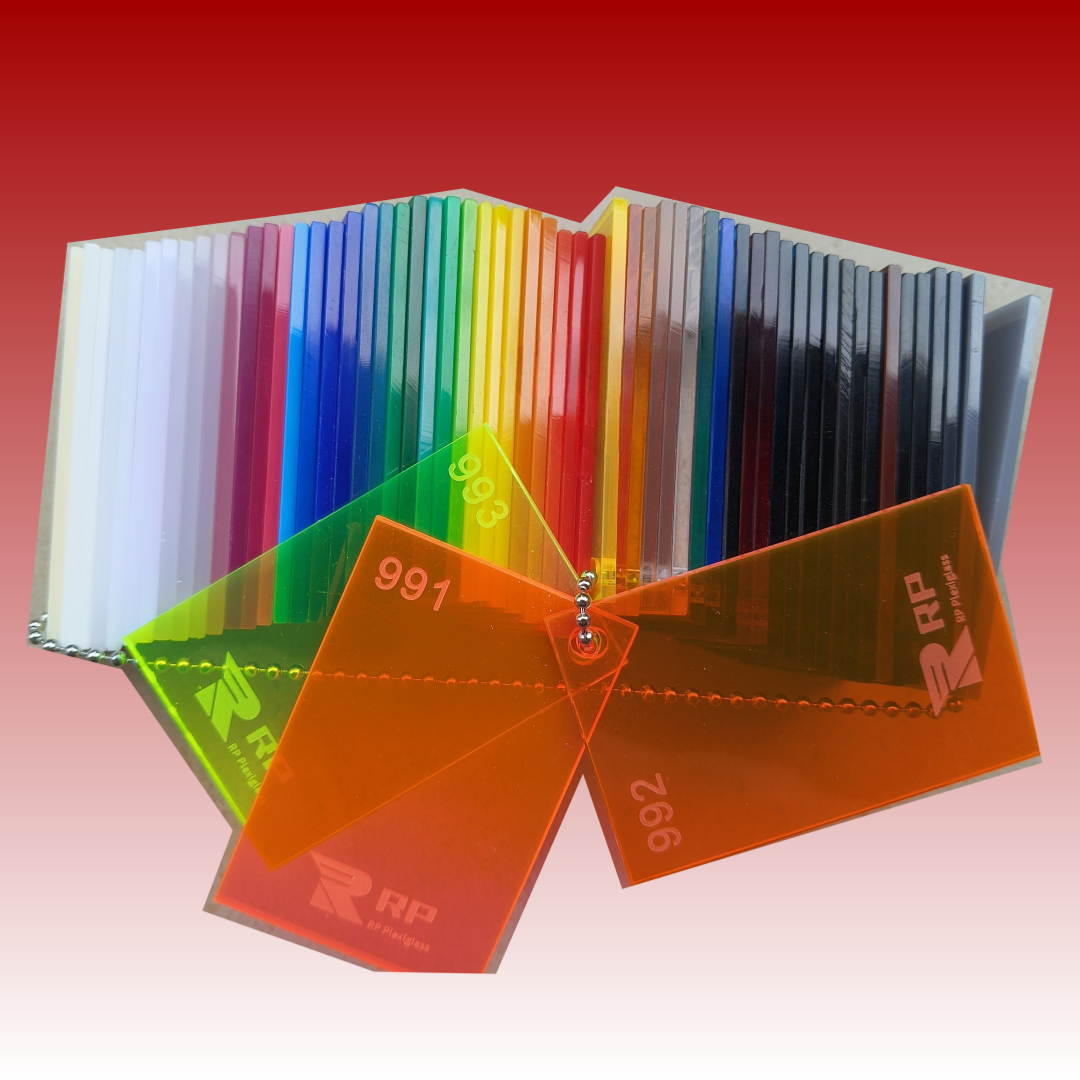
Surface finish matters as much as thickness. A gloss face shows every drying mark and every scratch under bathroom lighting; a satin face at 30 to 40 gloss hides the marks and still wipes clean. For a hotel with hard water, the satin face is the practical specification.
Sealing: where an acrylic shower panel lives or dies
Water does not fail the sheet; it fails the joint. A neutral-cure silicone with a fungicide is the right sealant, and it needs a 6 mm joint rather than a butt joint, because acrylic moves about 0.6 mm per metre over a 20 °C swing and a butt joint has nowhere to go. Leave the sealant off the bottom 50 mm of the vertical joints on a tray installation so any trapped water can drain.
Drill the fixing holes 2 mm oversize and use a plastic washer under each screw head. A tight hole in a 2 m panel is a stress riser, and the crack that starts there runs down the panel within a heating season. Seal the top of each screw head after fixing, not before.
Cleaning without dulling the surface
Soap scum comes off with warm water and a neutral detergent; hard water scale needs a citric-acid bathroom cleaner left for two minutes and rinsed. Neither should be scoured. Avoid abrasive cream cleaners and avoid anything with ammonia or solvent, both of which attack the surface and leave a haze that no polish will remove from an installed panel.
The wider sequence for installed panels, including what to do when a cleaner has already etched the surface, is in our guide to cleaning and maintaining acrylic sheets.
For backlit or mirrored bathroom features, the same sheet can be ordered with a reflective or diffusing face, and the finish options in our mirror acrylic sheet guide explain what changes when the face is coated rather than clear.
Send the panel schedule with sizes, finish and substrate to oversales@rpplexiglass.com, and we will quote cut-to-size cast acrylic shower panels with sealed edges and a fixing detail for your installer.
Frequently Asked Questions
What thickness acrylic for a shower panel?
6 mm is the practical minimum for a panel up to 1,200 mm wide, and 8 mm is the right choice for 1,200 x 2,000 mm or for anything fixed with visible joints. Thinner sheet oil-cans between fixings and shows a wavy reflection in low bathroom light.
Is acrylic better than tile for a shower wall?
It is faster to install, has no grout line to clean and can be replaced panel by panel. It is softer than tile, so it scratches if scoured, and it needs a proper expansion joint at every edge. For a refurbishment on a tight programme, the time saving is the real advantage.
Can acrylic shower panels be cut on site?
Yes, with a fine-tooth blade and masking tape on the cut line, and the cut edge must be sanded and sealed before installation. Site cutting is where most chips appear, so order cut-to-size panels where the dimensions are known.