
On a safety-critical stretch of elevated road, a clear barrier that shatters into a shower of fragments on impact is as bad as no barrier at all. That is why the specification called for an acrylic reinforced noise barrier: a panel with embedded reinforcing threads that holds its shape and its fragments when it takes a hit.
What “reinforced” means in a transparent barrier
Standard clear acrylic stops noise but, under a heavy impact, can fracture into pieces. A reinforced acrylic noise barrier has a mesh or thread layer embedded in the sheet during casting, so the panel stays integral: the threads hold the fragments and the barrier keeps acting as a screen even after a strike. This is the build specified where people or traffic sit directly behind the wall.
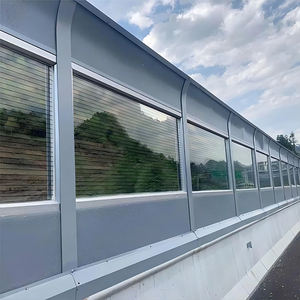
When to ask for the reinforced build
- Elevated roadways and viaducts where debris can fall below.
- Corridors beside footpaths, schools or dense housing.
- High-impact stretches where the crash standard is stricter.
- Railway fences near platforms and crossing points.
The fragment-retention behaviour is the same principle described in fragment retention acrylic noise barrier, and the bird-strike variant is in bird safe transparent noise barrier.
Frequently Asked Questions
Q: What makes an acrylic reinforced noise barrier different from a standard one?
A: Embedded reinforcing threads hold the panel and its fragments together under impact, so the barrier keeps acting as a screen instead of shattering into pieces.
Q: Where is the reinforced build required?
A: On elevated roads, corridors beside footpaths or housing, high-impact stretches and railway fences, where fragments falling into occupied areas are unacceptable.
For a project-specific quotation on transparent acrylic or PC noise barrier panels, email oversales@rpplexiglass.com with your corridor length, panel size and the acoustic standard you must meet.