
A fragment retention acrylic noise barrier is what a transparent highway or railway sound screen must be when public safety sits beside the acoustic requirement. Transparent panels keep views and daylight for residents, but they have to do far more than block noise: if a panel is ever shattered by an impact, the fragments must stay held within the screen so nothing falls onto traffic below. That single requirement – fragment retention – is why transparent noise barrier panels are engineered, specified and tested as a system, not chosen as a plain sheet. This guide walks a contractor through what to specify.
Thank you for reading this post, don't forget to subscribe!A Real Project: Transparent Screens Along an Urban Expressway
Consider a city expressway running past residential towers. The specification required transparent acrylic noise barrier panels that cut traffic noise while keeping the view, plus fragment retention and bird-safe marking to satisfy both the road authority and the local environment requirement.
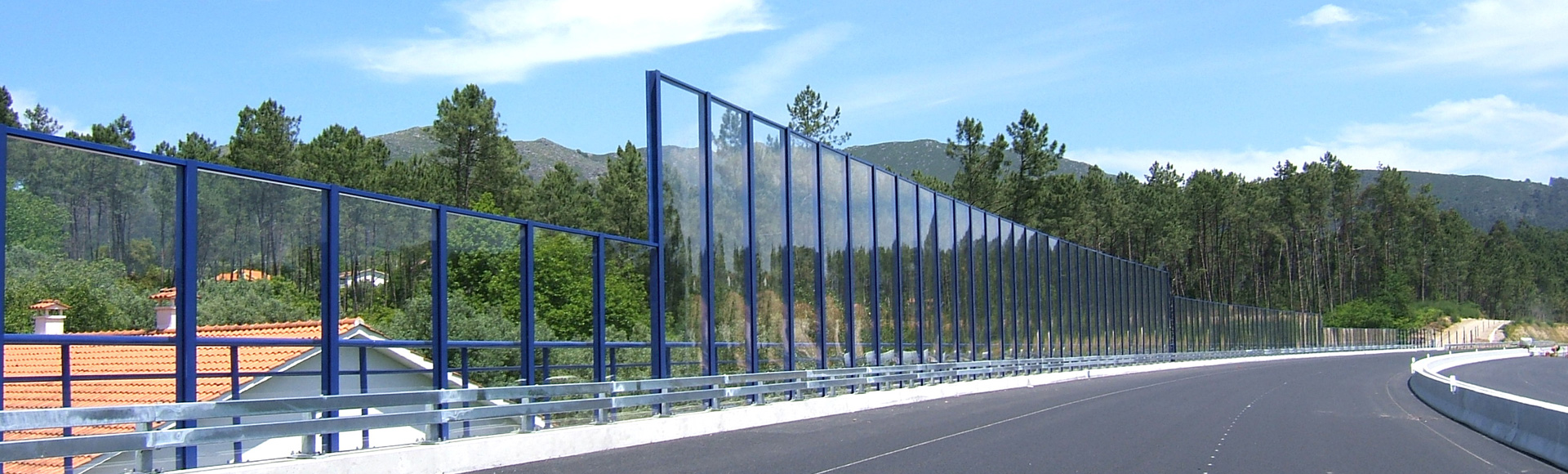
- Material: acrylic (PMMA) transparent noise barrier panels, chosen over polycarbonate where optical clarity and outdoor colour stability matter, with a UV-resistant grade for long-term clarity.
- Thickness: 10-20mm panels depending on span and wind load; the exact figure comes from the project’s structural and noise design.
- Fragment retention: the panel construction and mounting system hold broken pieces in place if the pane is shattered, preventing debris falling onto the carriageway.
- Bird-safe: UV-visible pattern or film marking so birds perceive the transparent surface and avoid collisions.
How a Transparent Noise Barrier Is Engineered and Installed
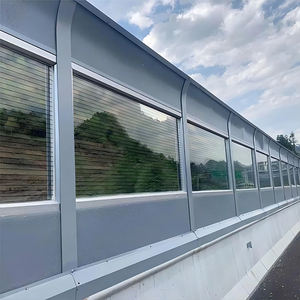
A transparent noise barrier is a system: the acrylic panel, its clamping and frame, the gaskets and the retaining features all have to work together. Getting the panel alone right is not enough. The tender document normally fixes the acoustic insertion loss, the panel dimensions, the wind and snow load, and any safety clauses such as fragment retention and bird-safe marking.
- Panel specification: thickness, size and acoustic performance are set by the project; the supplier confirms against the drawings rather than quoting a generic ‘per square metre’ panel.
- Mounting: panels are installed in posts with proper clamping and gasket detail so the assembly absorbs wind load without crushing the acrylic edge.
- Retention: the fixing system is designed so fragments remain within the screen in a break event, which is verified against the project’s requirement.
- Documentation: projects often ask for test or conformity documents, so panels are supplied with the relevant acoustic and material data.
The Two Mistakes That Fail Noise Barrier Projects
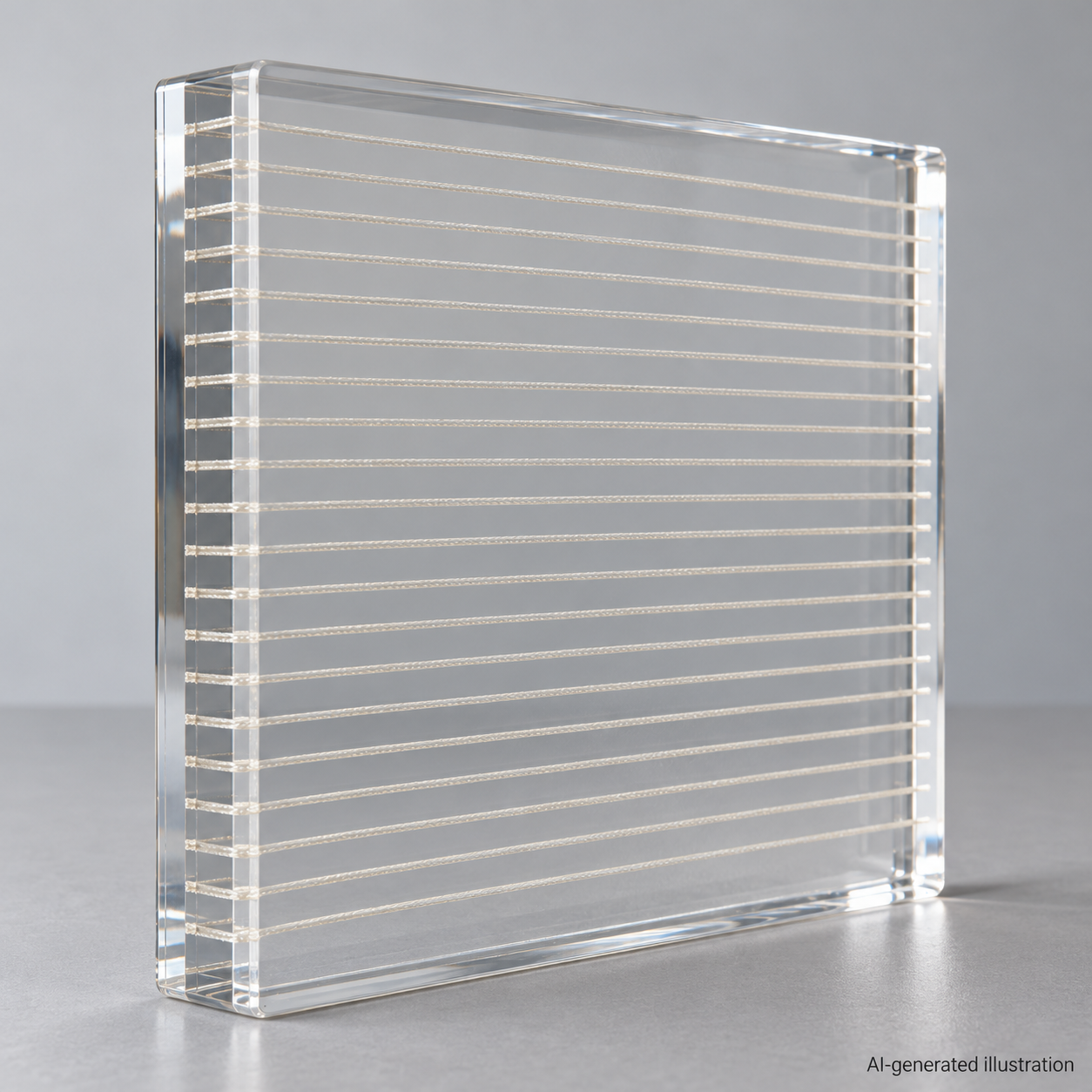
- Specifying by price instead of by system. A bare transparent sheet without the right thickness, UV grade or retaining construction will not meet the acoustic or safety clause. Always confirm thickness, size, UV protection and fragment retention against the tender documents.
- Ignoring bird-safe and UV requirements. A clear panel with no bird-safe marking risks collisions, and a non-UV grade will yellow and haze within a couple of outdoor years – both are written into good barrier specs.
RP River People Plexiglass supplies transparent acrylic noise barrier panels for highway, railway and bridge projects – UV-resistant acrylic grades, sizes for standard noise barrier panels, cut-to-size, drilled holes and edge details for your mounting system, and export packing that protects the faces in transit. We work with contractors and road authorities to confirm the panel thickness, dimensions and technical documentation before production. If you are quoting a noise barrier project, send us the panel size, thickness and any test or conformity requirement and we will supply to your spec.
Frequently Asked Questions
What does fragment retention mean for an acrylic noise barrier?
A fragment retention panel is built so that if the sheet is ever shattered – by an impact or a collision – the broken pieces stay held within the panel assembly instead of showering down onto the road or railway. In practice this is achieved with the right acrylic thickness, panel construction and a retaining system, and it is often a requirement in highway and railway noise barrier specifications.
How thick is a transparent acrylic noise barrier panel?
Transparent noise barrier panels are typically 10-20mm thick acrylic depending on the span, wind load and acoustic requirement. The spec usually comes from the project’s noise and structural design, so the panel thickness, size and mounting are confirmed against the tender documents rather than guessed.
Do bird-safe and UV requirements affect the panel?
Yes. Many transparent barriers now include bird-safe measures such as UV-visible marking or patterned film so birds see the pane, and a UV-resistant acrylic grade is used to keep the panel clear and free from yellowing across years of outdoor exposure. Both should be written into the specification so the right panel is supplied.
Working on a transparent noise barrier project and need a fragment retention acrylic panel to spec? Contact RP River People Plexiglass at oversales@rpplexiglass.com with your panel size, thickness and technical requirements for a conforming quote.