
On the day a brand-new polycarbonate sheet barrier on a German bypass started to cloud at the edges, the contractor discovered why acrylic had been the original spec: acrylic sheet sound barriers are chosen for their UV stability as much as their sound reduction. Fifteen years later, a cast acrylic panel still reads clear; the extruded competitor had yellowed and crazed within five.
What acrylic brings to a noise wall
Cast acrylic reflects traffic noise, stays transparent for sightlines, and — because it is polymerised rather than extruded — holds its clarity and dimensional stability under years of sun. That UV resistance is exactly why European and Gulf road projects lean on cast acrylic sheet for transparent sound barriers rather than on a cheaper extruded grade that degrades outdoors.
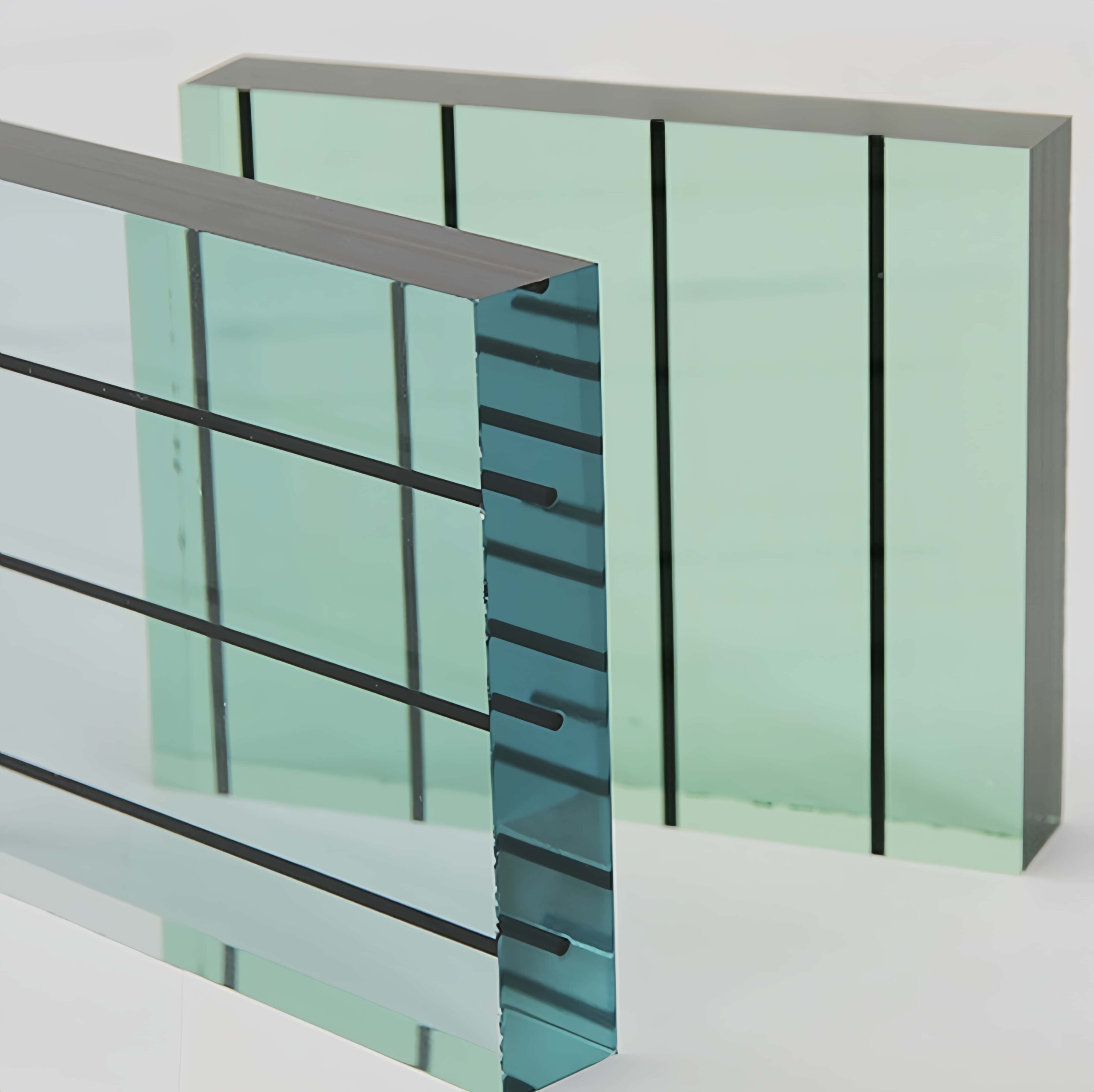
Three mistakes that shorten a barrier’s life
- Using extruded sheet where cast is required — the sheet clouds and warps in sun.
- Drilling holes without radiused corners — stress cracks start at sharp edges.
- Clamping the sheet hard in the post channel — it needs room to expand and flex.
For the measured acoustic performance side, see our acrylic sound barrier STC rating guide, and for the fragment-retention build, fragment retention acrylic noise barrier.
Frequently Asked Questions
Q: Why is cast acrylic better than extruded for an outdoor sound barrier?
A: Cast acrylic holds clarity and dimensional stability under UV, whereas extruded sheet clouds and warps outdoors; cast is the standard for transparent sound barriers.
Q: Do acrylic sheet sound barriers reduce noise if they are transparent?
A: Yes, transparent acrylic reflects and attenuates traffic sound while passing daylight, and rated panels come with acoustic test documentation.
For a project-specific quotation on transparent acrylic or PC noise barrier panels, email oversales@rpplexiglass.com with your corridor length, panel size and the acoustic standard you must meet.