
Security integrators rarely buy one panel. They buy a repeatable build they can put in front of a client’s risk consultant three projects in a row. That is a manufacturing question, and it is answered by three controls: cast thickness, coating, and test traceability.
Control one: cast thickness, not laminated assembly
Ballistic polycarbonate is usually cast as a monolithic sheet rather than assembled from thin layers, because a monolithic sheet has no internal interfaces to fail. Casting in the 19–50 mm band needs large moulds and long annealing cycles, which is why many suppliers cap out at 12 mm and resell thicker sheet from another producer.
Ask what the supplier casts in-house and what it buys in. Both answers are legitimate; only the first is a manufacturer for this product.
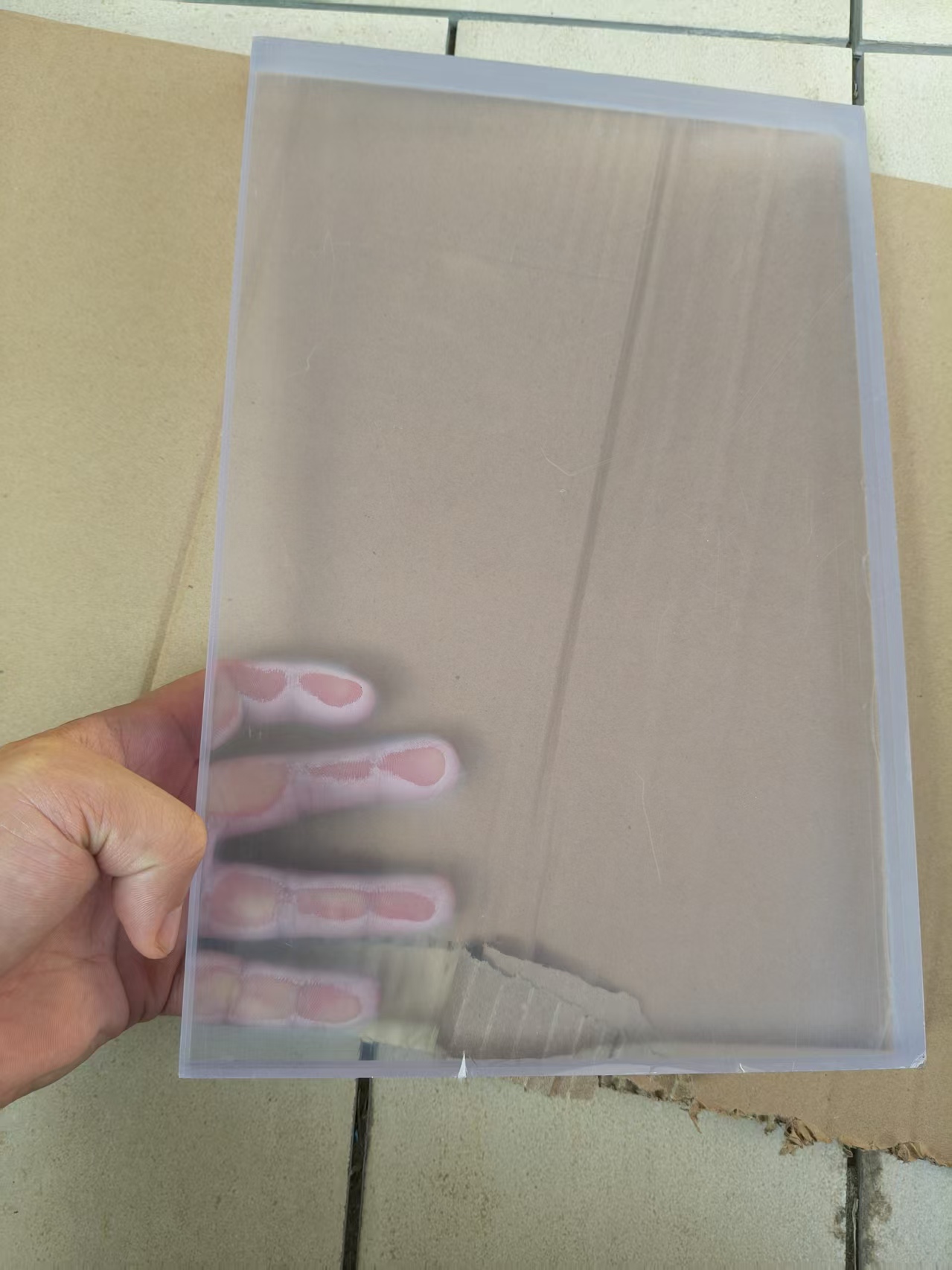
Control two: coating and spall layer
A ballistic panel that scratches becomes a maintenance problem, and a hard coat on the protected side keeps the face readable in a teller or reception environment. For Level 2 and above, a spall liner or a laminated anti-spall layer on the safe side is standard practice; the manufacturer should be able to supply either without changing the tested build.
Control three: traceability from cast to crate
- Cast batch number recorded against every delivered panel.
- Test report linked to the same build and thickness.
- Annealing record, since stress relief affects impact behaviour.
- Packing spec that prevents edge damage, which is where ballistic panels most often degrade.
Three projects, three deliveries, one build: that is what a client’s consultant is actually buying. A thickness spec alone cannot deliver it.
The material basis is covered in ballistic grade polycarbonate, and the sourcing route in bullet resistant glazing supplier.
Frequently Asked Questions
Q: What thickness can a ballistic polycarbonate manufacturer cast?
A:For rated security glazing, monolithic cast sheet runs from about 19 mm at Level 1 up to roughly 50 mm for higher handgun levels. Above that range, laminated or glass-clad builds are used instead of a single sheet.
Q: How do I know a manufacturer’s panel is the same build that was tested?
A:Batch traceability. Each delivered panel should carry a cast batch number that links back to the annealing record and the test report for the same thickness and build.
Send the threat level, opening size and fixing condition to oversales@rpplexiglass.com for a rated polycarbonate panel quotation with UL 752 test backing.