
Most break-ins do not involve a gun; they involve a brick, a hammer or a crowbar through the glass. That is the threat forced entry resistant glazing is built for: an impact-resistant polycarbonate panel that absorbs the blows and keeps the intruder out, while staying clear enough to show the storefront.
How polycarbonate defeats a smash-and-grab
Polycarbonate absorbs blunt impact instead of shattering, and a laminated build keeps the panel intact even after several strikes. A storefront, school entrance or office window clad in forced-entry polycarbonate is far harder to breach than the glass it replaces, and because it does not spall, it does not throw dangerous fragments.
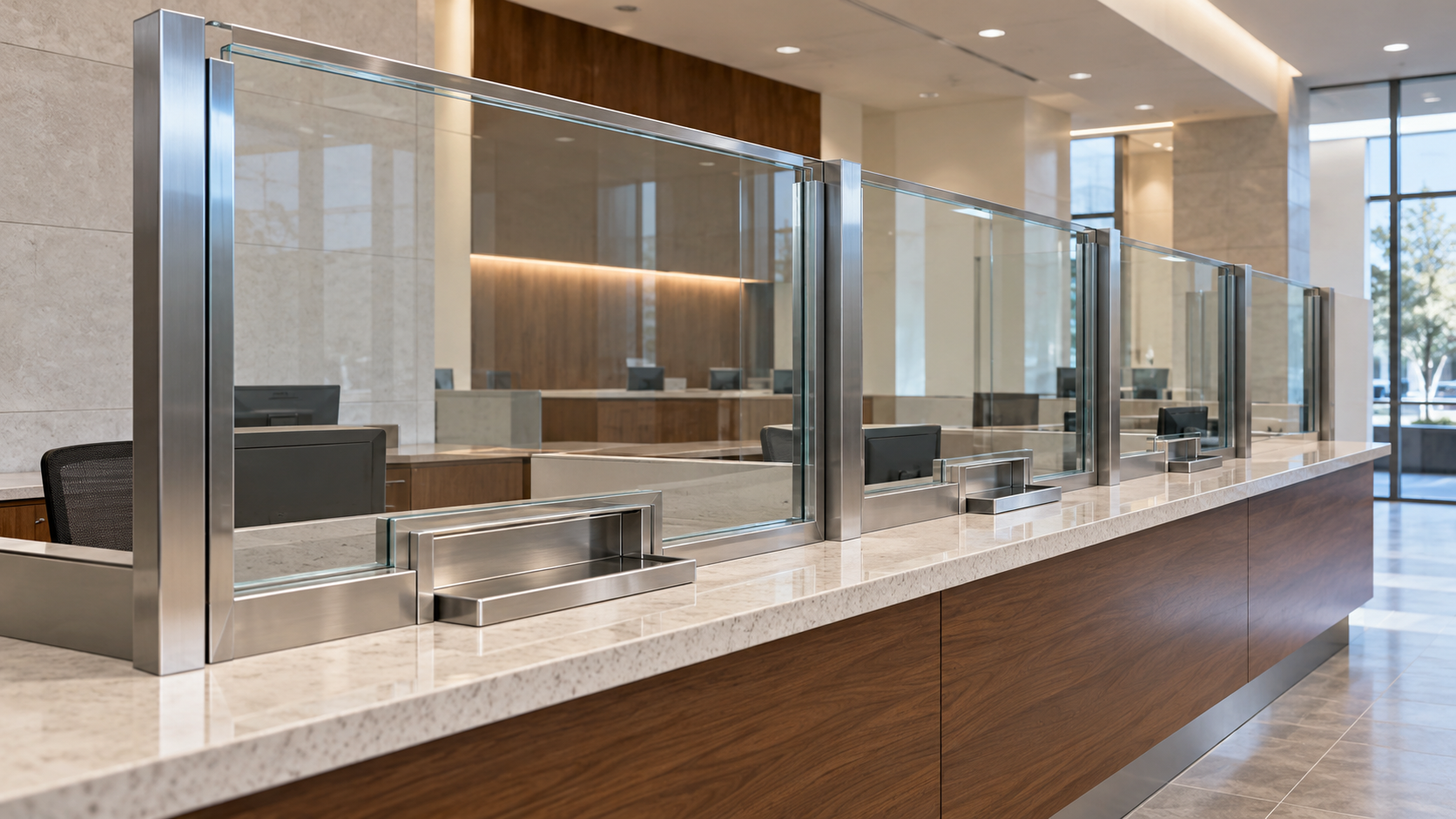
Where forced-entry glazing earns its cost
- Storefronts and retail windows exposed to smash-and-grab.
- School entrances and classroom glazing.
- Office and government reception areas.
- Checkpoints and access control rooms.
For the higher ballistic grade of the same family, see ballistic polycarbonate glazing, and for the composite build, glass clad polycarbonate glazing.
Frequently Asked Questions
Q: What is forced entry resistant glazing?
A:It is an impact-resistant polycarbonate panel that absorbs blows from tools without shattering, so it keeps intruders out and does not throw dangerous fragments.
Q: Is forced-entry glazing the same as bulletproof glazing?
A:No. Forced-entry glazing stops tools and blunt attack; ballistic glazing stops firearms to a UL 752 level. Many sites use both, or a laminated panel that handles each.
For a project-specific quotation on bullet resistant polycarbonate or security glazing, email oversales@rpplexiglass.com with your threat level, panel size and frame detail.