
Some security openings need both a hard exterior face and a tough inner core. That is what glass clad polycarbonate glazing delivers: an outer glass lite for a hard, scratch-resistant surface, bonded over a polycarbonate core that stops the projectile. The two materials work together, and each carries a job the other cannot.
Why the glass over PC
Glass gives the glazing a hard, optically clear exterior that resists scratching and weathering, while the polycarbonate behind it absorbs ballistic and impact energy that would shatter glass on its own. In a glass clad polycarbonate glazing panel, the outer glass takes the first impact and spalls, and the PC core stops the projectile before it reaches the interior. This build is used on both interior and exterior openings where a hard face and a ballistic core are wanted together.
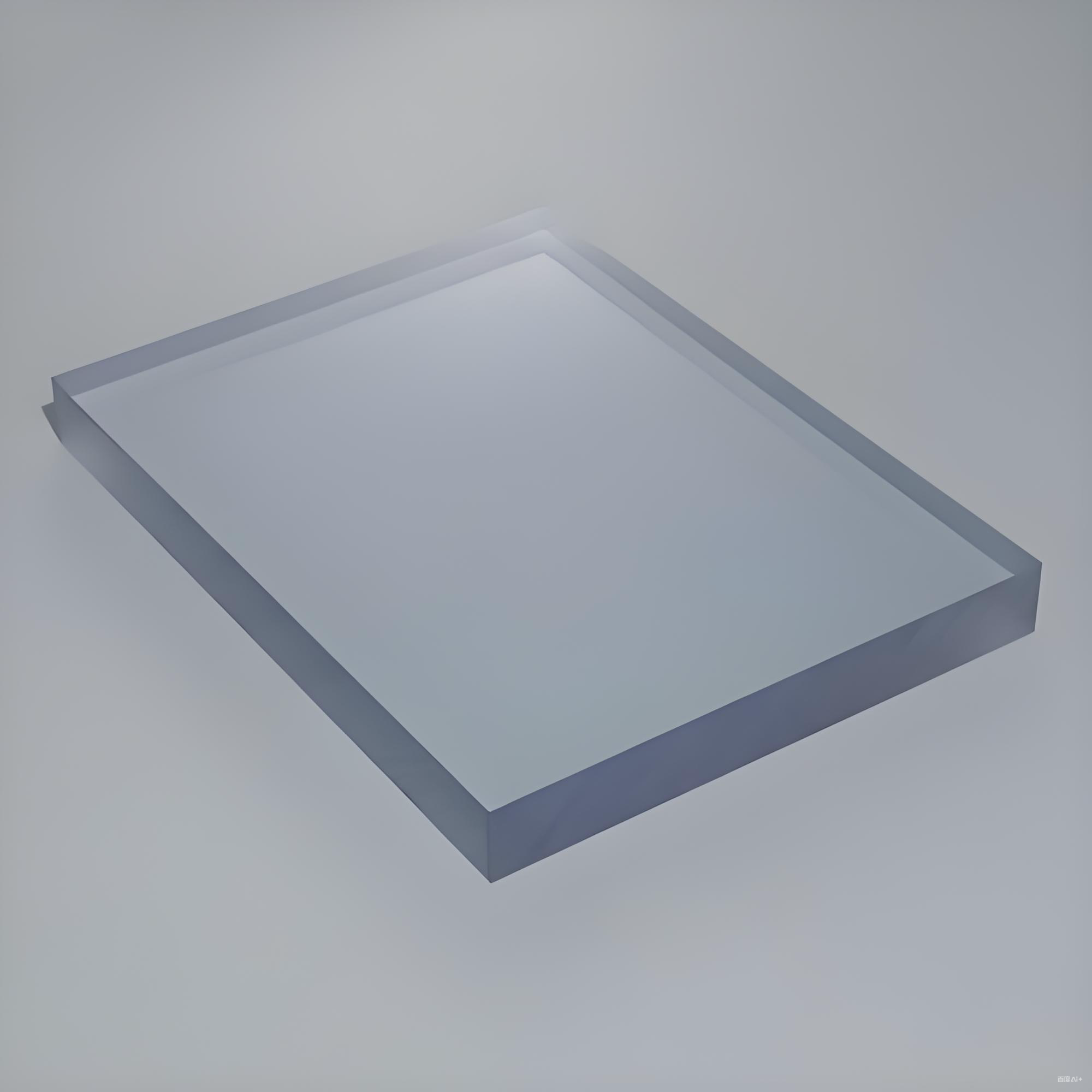
Building the composite
The glass lite and the polycarbonate core are bonded into one unit, and the whole panel is rated to a UL level for the threat. RP River People supplies glass-clad polycarbonate composite glazing with the glass and PC layers matched to your threat level and opening. For how the levels map to threats, see UL 752 ballistic ratings.
Frequently Asked Questions
Q: Why add glass if PC already stops bullets?
A: Glass adds a hard, scratch-resistant exterior for high-traffic faces while the PC core carries the ballistic load.
Q: Is the composite used indoors or outdoors?
A: Both; the glass exterior also protects the PC from scratching and weathering on exterior openings.
Q: Is the whole panel UL rated?
A: Yes, the bonded composite is rated to the UL level matched to your threat.
For a project-specific quotation, email oversales@rpplexiglass.com with your threat level, opening size and frame detail.