
A security panel that scratches in the first year has failed even if it still stops a round, because a hazed ballistic surface blocks the very transparency the glazing exists to provide. That is why specifiers increasingly ask for hard coated ballistic polycarbonate — a ballistic PC build with a scratch-resistant surface that keeps it clear outdoors.
Why the surface matters on a ballistic panel
Bare polycarbonate scratches easily, and on a security panel exposed to weather, cleaning and contact, that abrasion dulls the transmission and lets glare build. A hard coat adds a thin, tough surface layer that resists scratching and keeps the panel optically clear for its service life, while the polycarbonate core still provides the ballistic performance. It is the difference between a panel that looks new in five years and one that has to be replaced for looks alone.
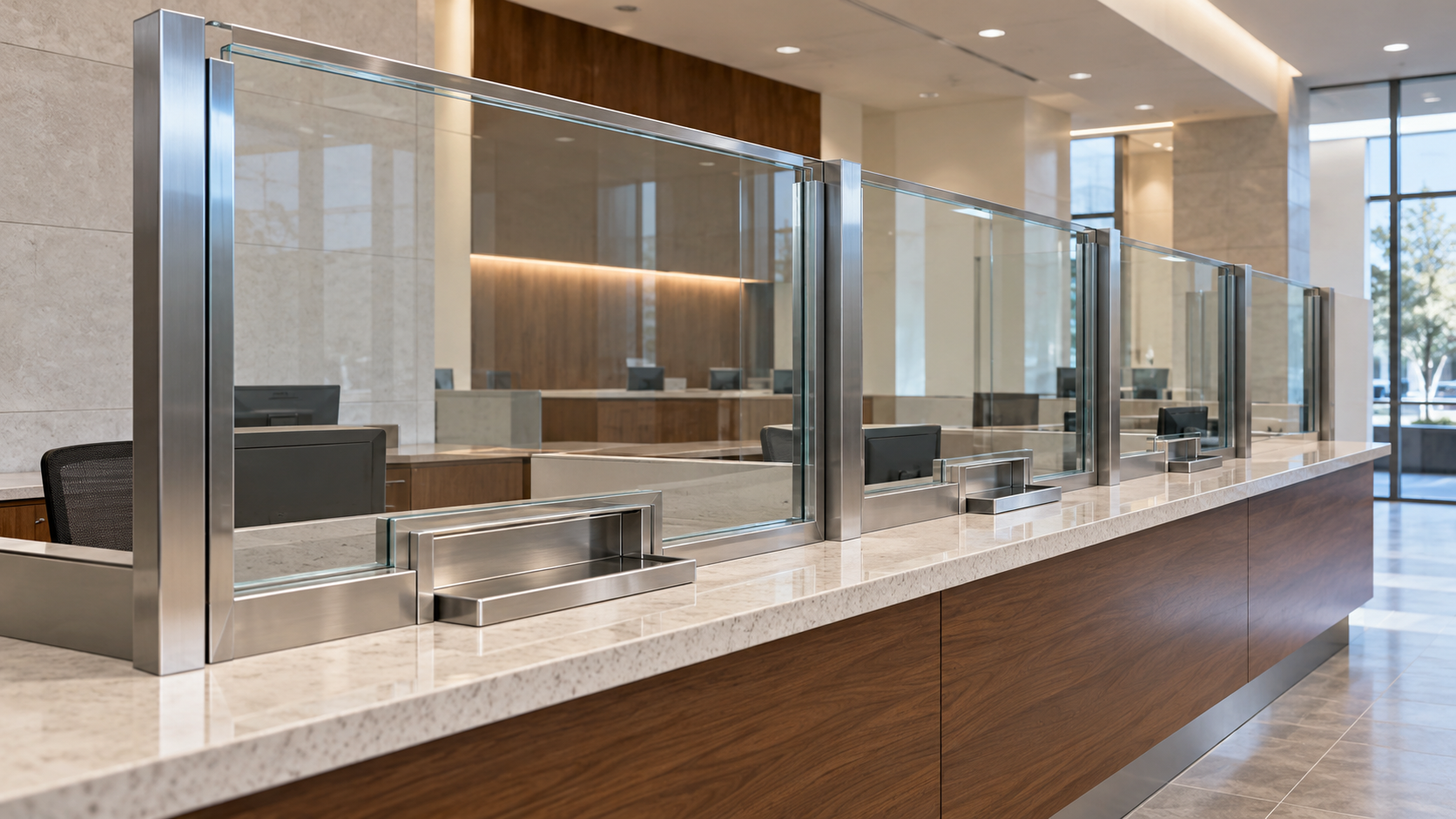
Specifying coated ballistic PC
- Confirm the ballistic level is preserved with the coating.
- Check the coating’s scratch and abrasion performance.
- Specify a UV-stable build for outdoor panels.
- Confirm the coating survives the cleaning regime.
For how a coated panel compares to glass, see polycarbonate versus glass for security glazing, and for the level map, UL 752 ratings for polycarbonate.
Frequently Asked Questions
Q: Does the hard coat reduce ballistic performance?
A:When specified correctly, no — the coating is a thin surface layer and the ballistic rating comes from the PC core; confirm the level holds with the coated panel tested.
Q: Why use a hard coat on ballistic polycarbonate?
A:Bare PC scratches easily, and on an outdoor security panel that abrasion dulls transmission and builds glare; a hard coat keeps it clear for the service life.
For a ballistic or security glazing quote with the threat level and panel size, email oversales@rpplexiglass.com with the location, threat and panel dimensions.