
A polycarbonate 6mm sheet price is decided by the surface, not by the resin. A façade contractor compared three quotes for 6 mm polycarbonate and chose the cheapest by 18 per cent. Eighteen months later the panels facing south had yellowed to a visible amber, and the replacement cost was four times the saving. The cheap sheets had a UV printed film, not a co-extruded UV layer.
Polycarbonate 6mm sheet price is mostly a story about what is on the surface, and how long it stays there.
The five parts of a polycarbonate 6mm sheet price
Standard clear polycarbonate at 6 mm sits in a narrow band between suppliers. Wide-format panels cost more per square metre because the extrusion line runs slower and the yield per hour drops. Flame retardant and coloured grades add a step, and textured or coated surfaces add another.
- 1220 by 2440 mm: the container standard, best price per square metre.
- 2050 by 3050 mm: wide format, fewer joints, higher price per square metre.
- Clear: baseline. Bronze, grey and opal: colour step. FR: additive step.
- Thickness tolerance: plus or minus 0.2 mm is normal for 6 mm, tighter costs more.
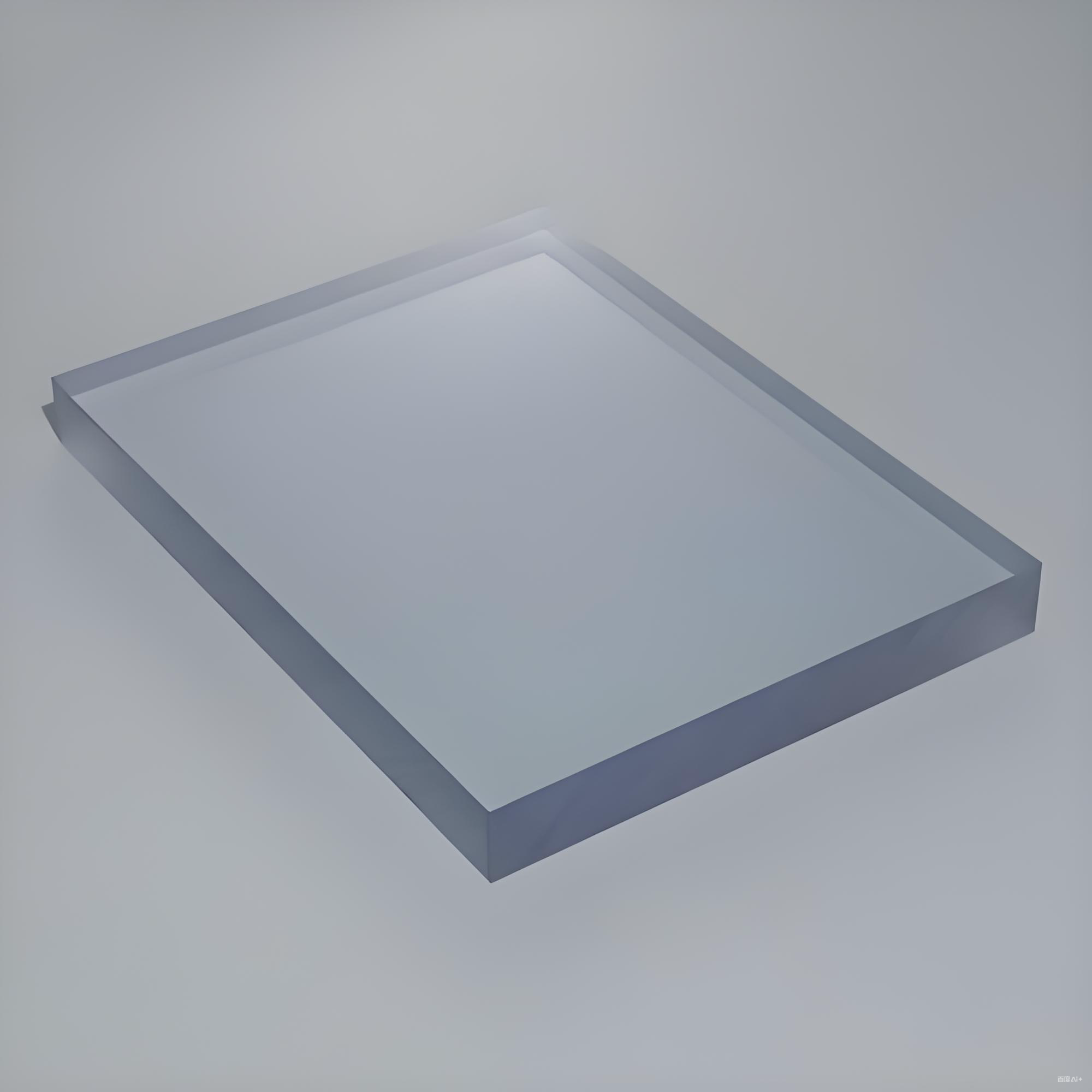
UV protection: the line item that decides lifespan
Polycarbonate degrades under UV. The two commercial answers are a co-extruded UV cap layer and a coated or film-based protection. Co-extrusion fuses a UV-stabilised layer into the sheet during production, so it cannot peel or be scratched off. A film or coating can be removed by cleaning, and it fails quietly.
For outdoor glazing, roofing and any panel with a ten-year expectation, the co-extruded grade is the only defensible choice even though it costs more per sheet. The difference is a few percent on the invoice and a multiple on the replacement.
Impact grade and the security question
Standard PC is already tough. Where the panel must resist deliberate impact or meet a ballistic or forced-entry brief, a laminated or thicker grade is needed and the price steps accordingly.
Buyers sometimes try to reach an impact target by ordering 6 mm instead of 4 mm, which is reasonable for wind load and accidental impact but does nothing for a ballistic requirement. Material thickness and laminate structure solve different problems.
Cutting, edge sealing and the hidden cost
Polycarbonate needs sharp tooling and low clamping pressure; a badly cut edge with micro-cracks will propagate under load. Twin-wall and multiwall sheet also needs edge sealing against water and insects, which is a separate line item.
For solid 6 mm sheet, the cut quality matters more than most buyers expect. Ask whether edges are routed and whether the protective film stays on until installation.
If the panels are going into a container, the packing and freight terms change the landed price more than the factory quote. Our note on export packing and shipping covers the standard, and the polycarbonate import guide covers duty and documentation.
How to compare three quotes properly
Put grade, UV method, colour, format, thickness tolerance, cut list, edge finish and Incoterm on a single comparison sheet. A price that is 18 per cent lower almost always differs on one of those lines, and usually on the UV method.
River People quotes 6 mm polycarbonate with the UV method named explicitly, the tolerance stated and the cut list priced per panel.
Send the panel sizes, exposure and expected service life to oversales@rpplexiglass.com and we will return a polycarbonate 6mm sheet price with the UV method and tolerance written on the quotation.
Frequently Asked Questions
Why do 6 mm polycarbonate quotes vary so much?
Most of the spread is the UV protection method: co-extruded UV cap versus film or coating, plus grade, format, tolerance and packing. Compare those lines rather than the total.
How long does 6 mm polycarbonate last outdoors?
Co-extruded UV grades typically carry a ten-year weathering expectation. Film-protected or uncoated sheet can yellow visibly within two to three years on a south-facing elevation.
Is 6 mm polycarbonate strong enough for glazing?
For wind load and accidental impact in most façade and skylight applications, yes. Ballistic or forced-entry requirements need a laminated or thicker specification, not simply more thickness.