
Polycarbonate sheet import planning starts with film and packing, not with the price per kilogram. An importer in Jebel Ali opened a 20-foot container of 6 mm clear polycarbonate in July and found the top six sheets clouded at the edges and two sheets chipped at the corner. The shipment had been packed without edge protection, loaded last against the door and sat on the quay for nine days at 46 °C. The sheet was correct; the packing plan was not.
Polycarbonate sheet imports fail on the details that a clear acrylic shipment tolerates: PC is notch-sensitive, it absorbs moisture at the edge, and its protective film behaves differently in heat. A buyer who specifies sheet and price but not film and packing is buying a material, not a delivered product.
Specification before price
State grade, thickness with tolerance, colour, surface and UV protection on the purchase order. Clear PC for glazing is normally 4 to 15 mm with a co-extruded UV layer on one face, and the face has to be marked so the installer knows which way out. A UV claim without a marked face is a claim that will be installed backwards half the time.
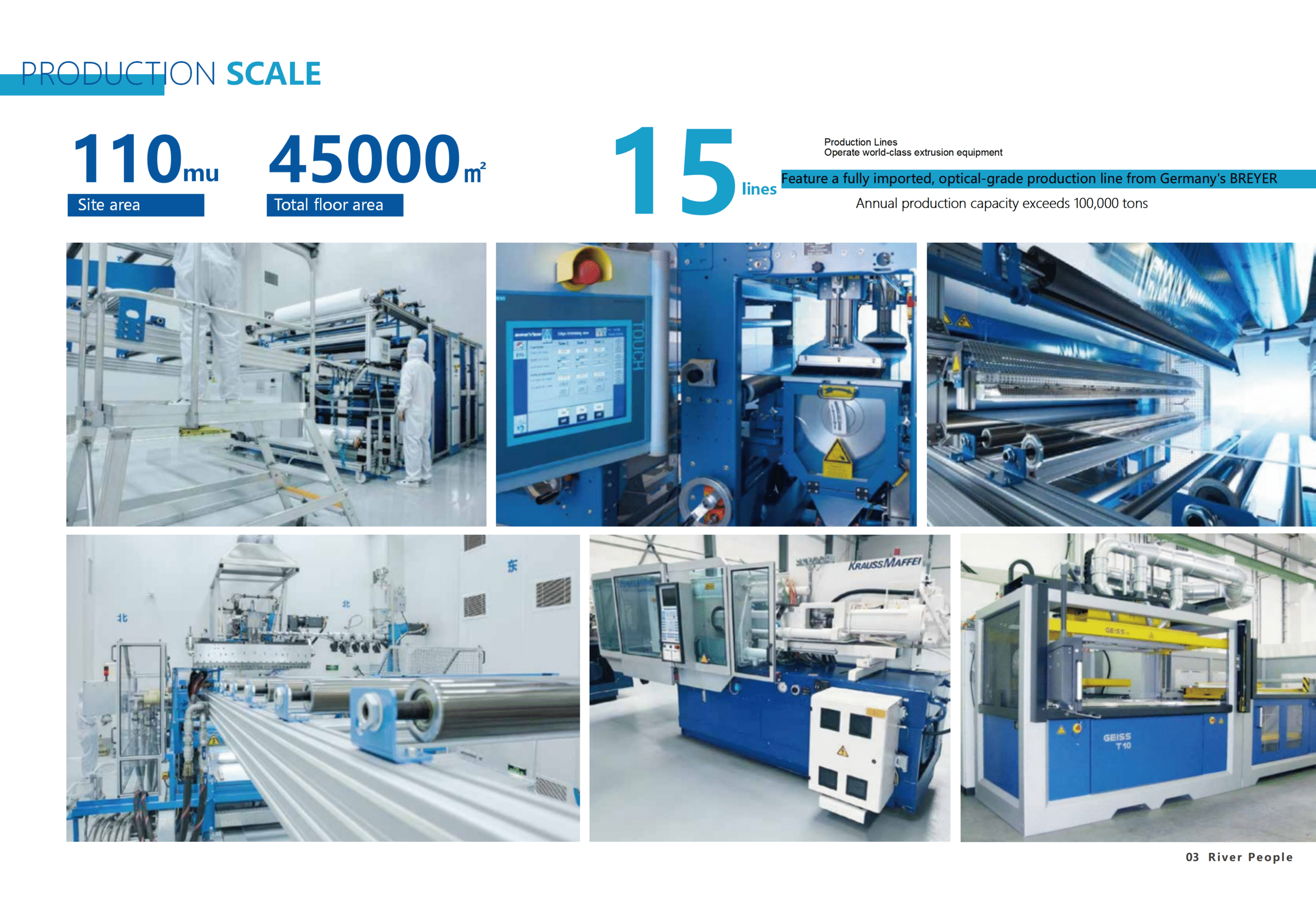
Thickness tolerance on polycarbonate sheet is typically plus or minus 5% on nominal, which on a 10 mm sheet is half a millimetre. That matters for glazing rebates and for any panel that is clamped. Ask for the tolerance in writing and check three sheets with a micrometer on arrival.
Polycarbonate sheet import: film, edges and moisture
Both faces should carry a PE protective film, 50 to 80 microns, with a UV-stabilised adhesive that peels cleanly after three months in a container. Cheap film leaves adhesive residue that no solvent removes without attacking the sheet. Ask for the film type and the recommended removal window.
Edges need protection on anything above 8 mm: a cardboard or EPE channel on all four edges, and corner protectors on every sheet. Polycarbonate chips at the corner under its own weight in a stack, and a chipped corner becomes a crack under load.
Moisture is the invisible risk. PC absorbs water at the cut edge, and a sheet that has been in a humid container for six weeks will show a milky edge when it is machined. Desiccant in the crate and a vapour barrier bag on premium orders are cheap insurance on a 15 mm sheet.
Container loading and inspection
Load sheets vertically or in a shallow angled rack, never flat in a tall stack. Flat stacking puts the weight of forty sheets on the bottom one and produces a permanent bow. Block the stack so it cannot slide, and keep the sheets away from the door end where condensation forms.
Inspect four things on arrival: film adhesion on the top and bottom sheet, edge condition on every tenth sheet, thickness at nine points on three sheets, and clarity against a light source. Photograph anything you intend to claim, before the film is removed.
The commercial questions that decide whether an import works, including MOQ, lead time, samples and who pays for the damage, are set out in our note on the five questions buyers ask about sheet orders.
Duty, HS code and the landed cost
Polycarbonate sheet usually clears under an HS code in the 3920.61 or 3920.59 family depending on whether it is compact or cellular, and the rate varies by destination. Quote the code on the commercial invoice and check it against the destination tariff before the price is agreed, because a code correction after arrival costs more than the duty difference.
Landed cost also includes the film removal and cleaning labour at the receiving end. A 500 sheet order takes two people most of a day to strip film, inspect and stack, and that labour is rarely in the business case. Where the sheet goes straight to a cutting line, ask the supplier to remove film at the plant and ship with paper interleaving instead.
Packing and marking that satisfy both the carrier and the insurer are set out in our guide to export packing and shipping for acrylic and PC sheet, and the same crate drawings apply to a polycarbonate import.
Send the destination port, thickness, quantity and UV requirement to oversales@rpplexiglass.com, and we will quote clear polycarbonate sheet with the packing, film and HS code stated on the quotation.
Frequently Asked Questions
What thickness tolerance should I expect on imported polycarbonate sheet?
Plus or minus 5% on nominal is typical for extruded PC, so a 10 mm sheet may arrive at 9.5 mm. State the tolerance on the purchase order and check three sheets with a micrometer at nine points on arrival.
Does polycarbonate sheet need UV protection?
For outdoor use, yes: specify a co-extruded UV layer on the face exposed to the sun, and require the face to be marked so the installer cannot fit it the wrong way round. Unprotected PC yellows and embrittles within a few years outdoors.
How should polycarbonate sheet be packed for a container?
Both faces filmed with a UV-stabilised PE film, edge channels above 8 mm, corner protectors on every sheet, desiccant in the crate and the stack blocked so it cannot slide. Flat stacking of forty sheets produces a permanent bow in the bottom sheet.