
A pmma sheet manufacturer is quoting one of four products under a single chemical name. A buyer in Poland specified “PMMA 5 mm clear” to four suppliers and received four prices spanning 34 per cent. Every supplier was quoting the same chemical. None of them was quoting the same product.
What a pmma sheet manufacturer means by grade
PMMA is the polymer. What a factory sells is one of four forms, and the form decides the behaviour:
- Cast PMMA: polymerised in a mould, best optical quality, best weather resistance, available to 300 mm
- Extruded PMMA: continuously produced, tighter thickness tolerance, cheaper, weaker chemical resistance
- Impact-modified PMMA: blended for toughness, slightly hazy, used where breakage is the risk
- Optical PMMA: low haze, controlled refractive index, for light guides and lenses
A quote that says only “PMMA” has not told the buyer which of these it is.
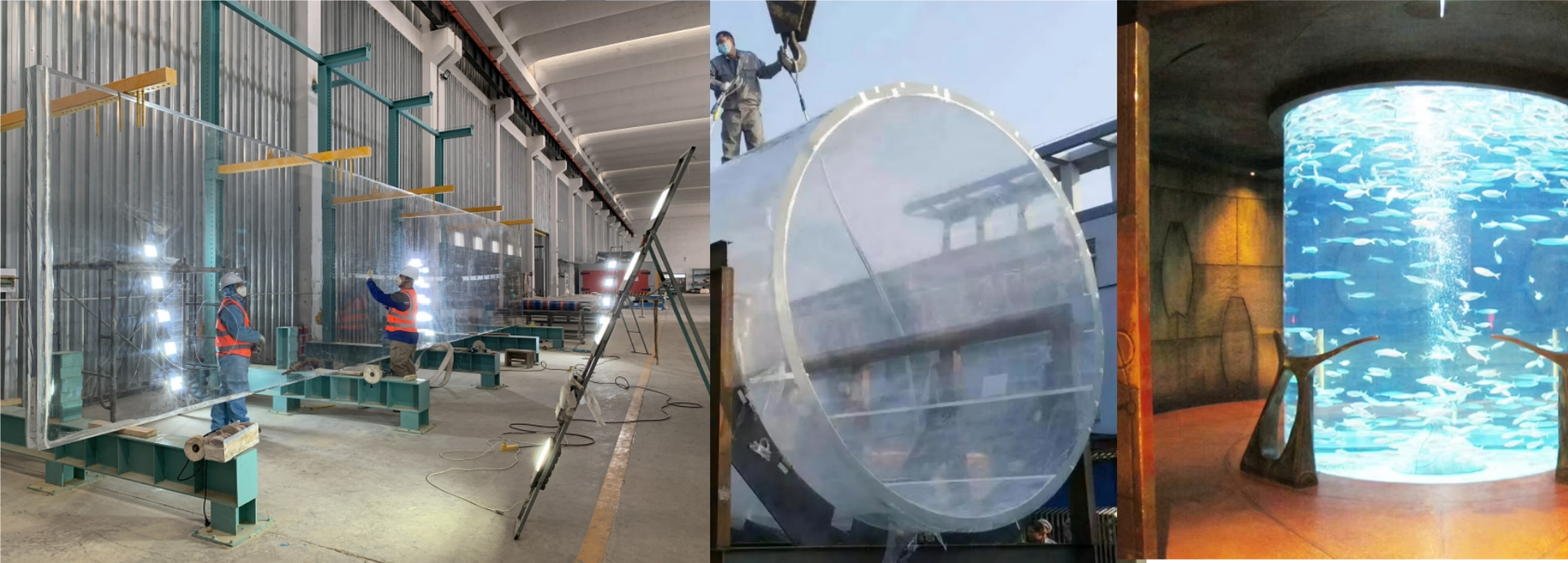
How grade names mislead
Grade codes differ by producer: XT, GS, Perspex, Plexiglas, Lucite and dozens of local equivalents. Two factories can use the same code for different formulations, and the only reliable comparison is the data sheet, not the label.
Ask for transmission, haze, Vicat softening point, and the thickness tolerance band. Four numbers settle most of the argument.
Cast against extruded in practice
Cast sheet machines and polishes beautifully and holds up outdoors for a decade. Extruded sheet is flatter and more consistent in thickness, which suits signage and display work where flatness matters more than weather.
Where both are quoted against each other, the difference usually appears in thickness consistency and in the price, not in clarity at 3 mm.
Thickness tolerance: the hidden grade
Two sheets described as 5 mm can measure 4.7 and 5.0. On a signage order nobody notices. On an interlocking assembly, the difference becomes a step that catches light.
Specify the band, plus or minus 0.2 mm or plus or minus 0.5 mm, and the quote becomes comparable. Buyers who leave the band out are comparing prices for different products.
The questions to send with an RFQ
- Application and indoor or outdoor service
- Thickness with an explicit tolerance band
- Sheet size and whether cut-to-size is required
- Colour: clear, tinted, opal, or a specific chip
- Data sheet and batch record required, yes or no
Five lines turn four incomparable quotes into one comparable set. The cast versus extruded grade note goes deeper on the process difference, and the TDS guide explains what the data sheet should contain.
A factory that sends the data sheet before being asked is usually the one that also controls its own casting line.
Send application, thickness and quantity to oversales@rpplexiglass.com and we will recommend a grade in writing, with the data sheet attached.
Frequently Asked Questions
Is PMMA the same as acrylic?
Chemically yes: PMMA is polymethyl methacrylate, and acrylic sheet is PMMA sheet. The trade distinguishes cast and extruded production, which behave differently under heat and machining.
Which PMMA grade is best for outdoor use?
Cast PMMA with UV stabiliser. Cast sheet has better optical and weather resistance than extruded, and the stabiliser determines how long clarity holds.
Why do two quotes for the same size differ so much?
Usually grade, thickness tolerance and whether the quote includes a data sheet and batch record. A 0.3 mm thinner sheet at the same nominal size can be 6 per cent cheaper.