
“Unbreakable glass” is a marketing shortcut. The truthful version is polycarbonate unbreakable glass in the sense that the panel bends under impact instead of shattering — and that changes everything about what happens in a break-in, a thrown object, or a bad handling error.
Bend instead of break
Glass fails by shattering into sharp fragments; polycarbonate fails by bending and, only under extreme impact, tearing rather than shattering. For a glazing panel that needs to resist impact — a shopfront, a safety screen, a low-security window — that difference matters more than raw strength. The panel stays in place, no falling glass, and it keeps its clarity over years. It is not unbreakable; it is shatter-resistant, which is the property most buyers actually want.
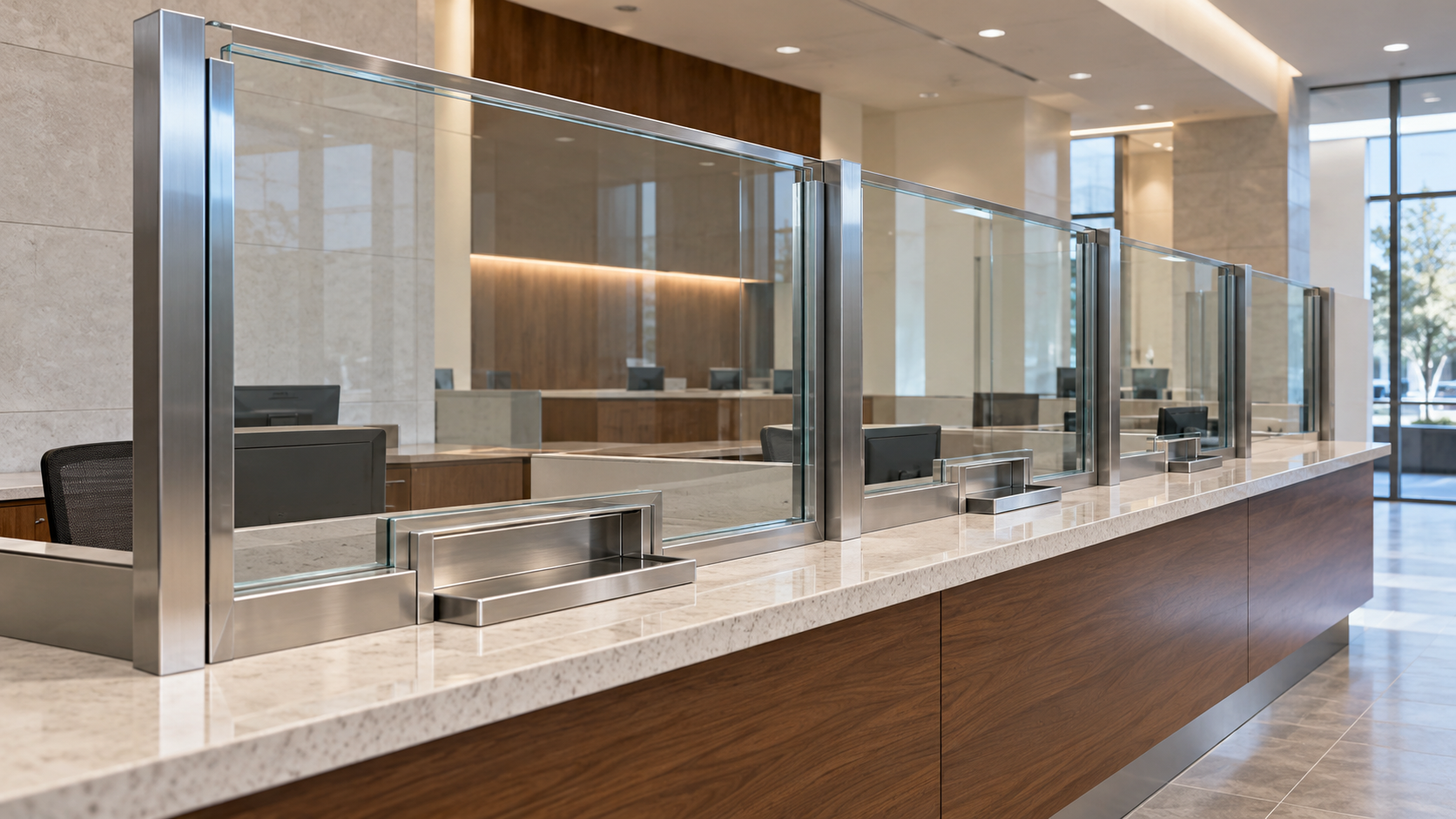
Where shatter-resistant glazing earns its place
- Shopfronts and display windows that face vandalism or impact.
- Safety screens that must not produce sharp fragments.
- Low-security windows upgraded without full ballistic glazing.
- Clarity maintained for display and sightlines over years.
How this compares with true bullet resistance is in bullet-resistant polycarbonate vs glass, and the broader security option in the polycarbonate security glazing guide.
Frequently Asked Questions
Q: Is polycarbonate unbreakable glass really unbreakable?
A:No. It is shatter-resistant, meaning it bends under impact instead of shattering into fragments. Under extreme force it tears rather than breaks into glass-like shards.
Q: Can polycarbonate replace glass in a display window?
A:Yes, when impact resistance matters. The panel stays clear and stops the window producing sharp fragments, though it scratches more easily than glass.
For a bullet-resistant or security polycarbonate glazing quoted to your threat level, panel size and frame system, email oversales@rpplexiglass.com with the threat level, panel dimensions and the opening type you need to protect.