
A school board asked why its classroom windows kept getting breached during after-hours break-ins. The answer was simple: standard glass opens in seconds to a tool. School security glazing polycarbonate closes that gap — an impact-resistant PC panel that denies forced entry to classrooms, entrances and offices.
Why polycarbonate suits school glazing
Polycarbonate absorbs blunt impact and stays intact after repeated strikes, so a determined intruder with a tool faces a much harder job. It is lighter than laminated glass, which matters on school curtain-wall and entrance framing, and it keeps classrooms bright. The panel is specified to stop the threat — tools and vandalism — rather than overbuilt for a risk the building does not face.
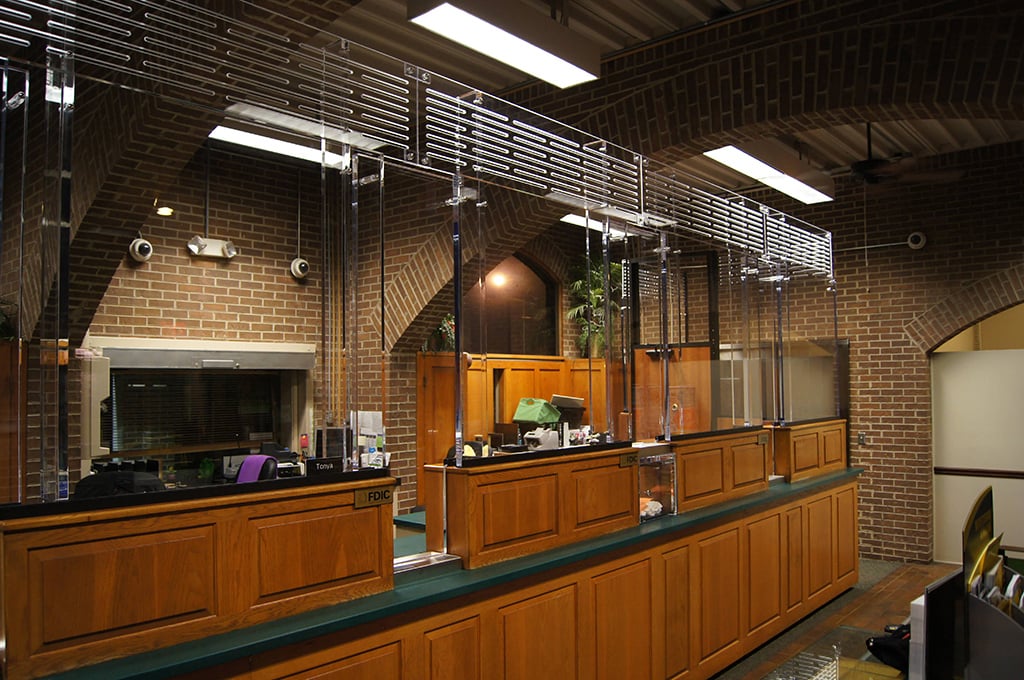
Where to deploy access-denial glazing first
- Entrance and lobby glazing where access is controlled.
- Ground-floor classrooms and offices at break-in height.
- Administration and IT rooms holding equipment.
- Interior security screens for reception and offices.
For the forced-entry side of the same panel family, see forced entry resistant glazing, and for higher-grade protection, ballistic polycarbonate glazing.
Frequently Asked Questions
Q: What thickness is school security glazing polycarbonate?
A:Thickness follows the forced-entry threat; impact-resistant PC panels commonly run from about 6 mm up to 20 mm depending on the level and panel size.
Q: Does security glazing make classrooms dark?
A:No, polycarbonate stays transparent, so classrooms keep daylight and sightlines while the glazing provides impact and forced-entry protection.
For a project-specific quotation on bullet resistant polycarbonate or security glazing, email oversales@rpplexiglass.com with your threat level, panel size and frame detail.