
A chamber operator in Dubai asked a simple question that turned into a specification review: the viewing port had been supplied as a flat disc with a square edge, and the surveyor refused it. The reason is that an acrylic hyperbaric chamber window is a pressure component, and its seat geometry carries as much of the design as its thickness.
Seat geometry of an acrylic hyperbaric chamber window
- Material: cast acrylic, cell cast, 75 mm nominal
- Seat: 60 degree conical, machined, no machining marks across the seal
- Design pressure: 2.4 bar, with the code factor applied
- Port diameter: 300 mm clear view
- Face: both faces polished, edge chamfered 2 mm
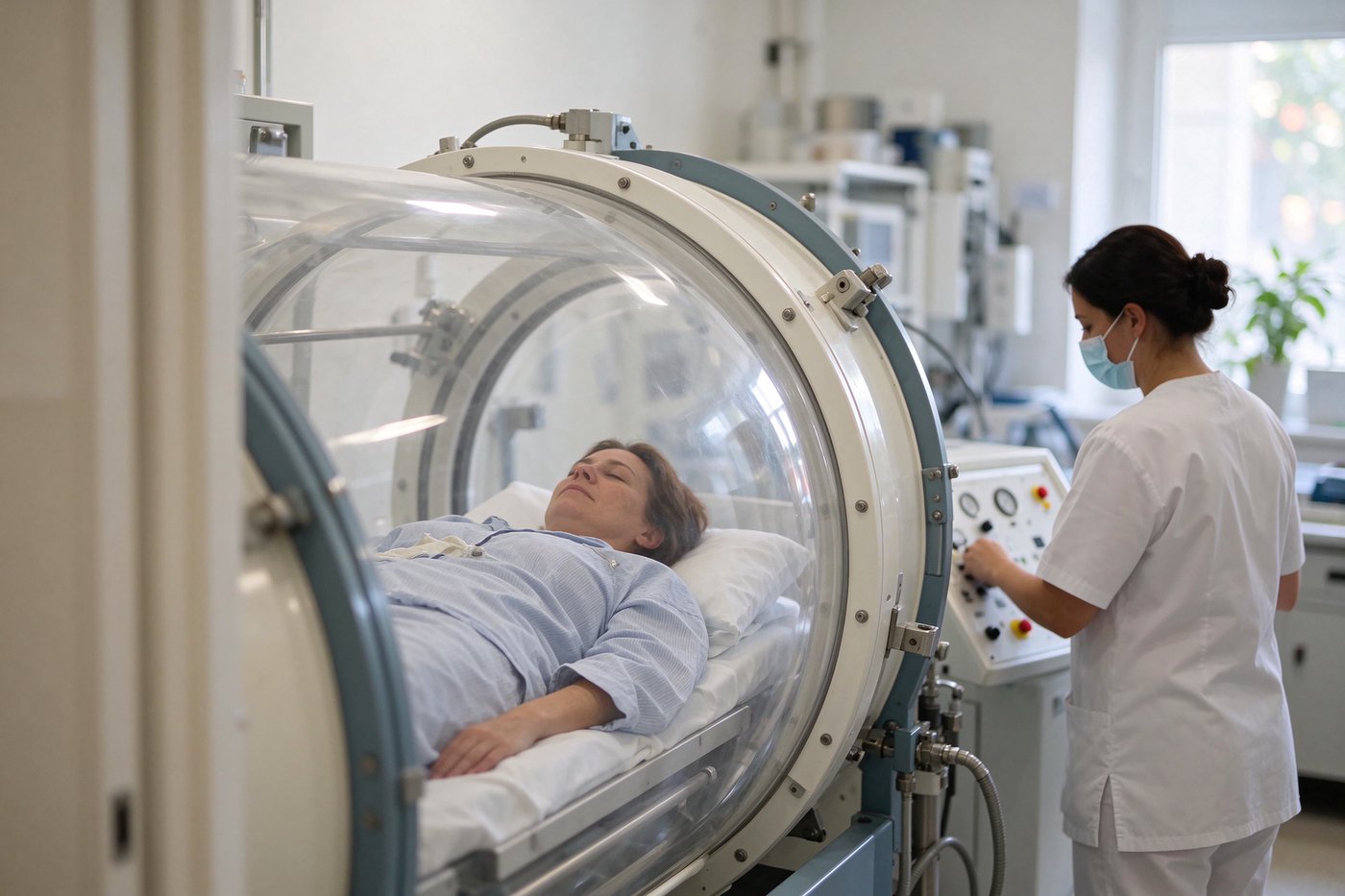
The cone does two jobs. It transfers the pressure load into the chamber flange rather than into the retaining ring, and it self-seals as pressure rises, because the acrylic is pushed harder into the seat. A square edged disc relies entirely on the ring and gasket, which is why the surveyor rejected it.
Machining and the acrylic hyperbaric chamber window
Machining marks across the conical face are stress raisers. The seat is cut with a single finishing pass, then polished, and the retaining ring is torqued to the chamber manufacturer figure rather than to a fitter judgement. Solvent cement is never used anywhere in the port assembly.
Service life is read from the material, not from a calendar. Cast acrylic ports are retired when crazing appears at the cone or when haze reduces the view below the operator requirement. Annual inspection under oblique light finds both before they become a pressure question.
Ports are machined to a supplied seat drawing with material certification and dimensional records for the chamber file.
Send chamber design pressure, port diameter and seat drawing to oversales@rpplexiglass.com for an engineering review.
Pressure sizing for acrylic is treated in more depth for pool windows in the pool window thickness note covers that part of the specification.
Frequently Asked Questions
Why cast acrylic and not polycarbonate?
Cast acrylic has a known, repeatable pressure performance and a documented service history in chamber ports. Polycarbonate is tougher in impact but its long term behaviour under sustained pressure is not the basis of any chamber standard.
How thick for 2.4 bar?
A 300 mm port at 2.4 bar typically needs 70 to 80 mm of cast acrylic with a conical seat, sized by the applicable pressure vessel code rather than a rule of thumb. We size each port to the design pressure and the seat angle.
What inspection is required?
Annual visual inspection for crazing and haze, and a dimensional check of the seat. Crazing at the conical face is the retirement criterion, and it is read under oblique light, not in daylight.