
Here is the sequence a 6,800-panel highway order actually followed, from the day the drawing arrived to the day the test file shipped. It is a useful way to judge whether a supplier is a manufacturer or a trader with a photo library.
Stage one: fix the panel, not the sheet
The drawing governs. Panel width, height, hole pattern, edge treatment and gasket allowance all come off the structure drawing before any acrylic is cut. For this order: 1,900 mm × 4,200 mm, 20 mm cast, 18 mm holes at 350 mm vertical pitch, 4 mm chamfer, two-part neutral silicone joint.
Stage two: cast, anneal, then machine
Panels were cast in cell moulds at 20 mm nominal with a ±0.5 mm tolerance, then annealed to relieve internal stress. Machining after annealing matters: drilling a stressed sheet is how a crack starts in service. Cutting was done on a CNC router with acrylic-specific bits, followed by flame-polishing the edges on visible sides only.
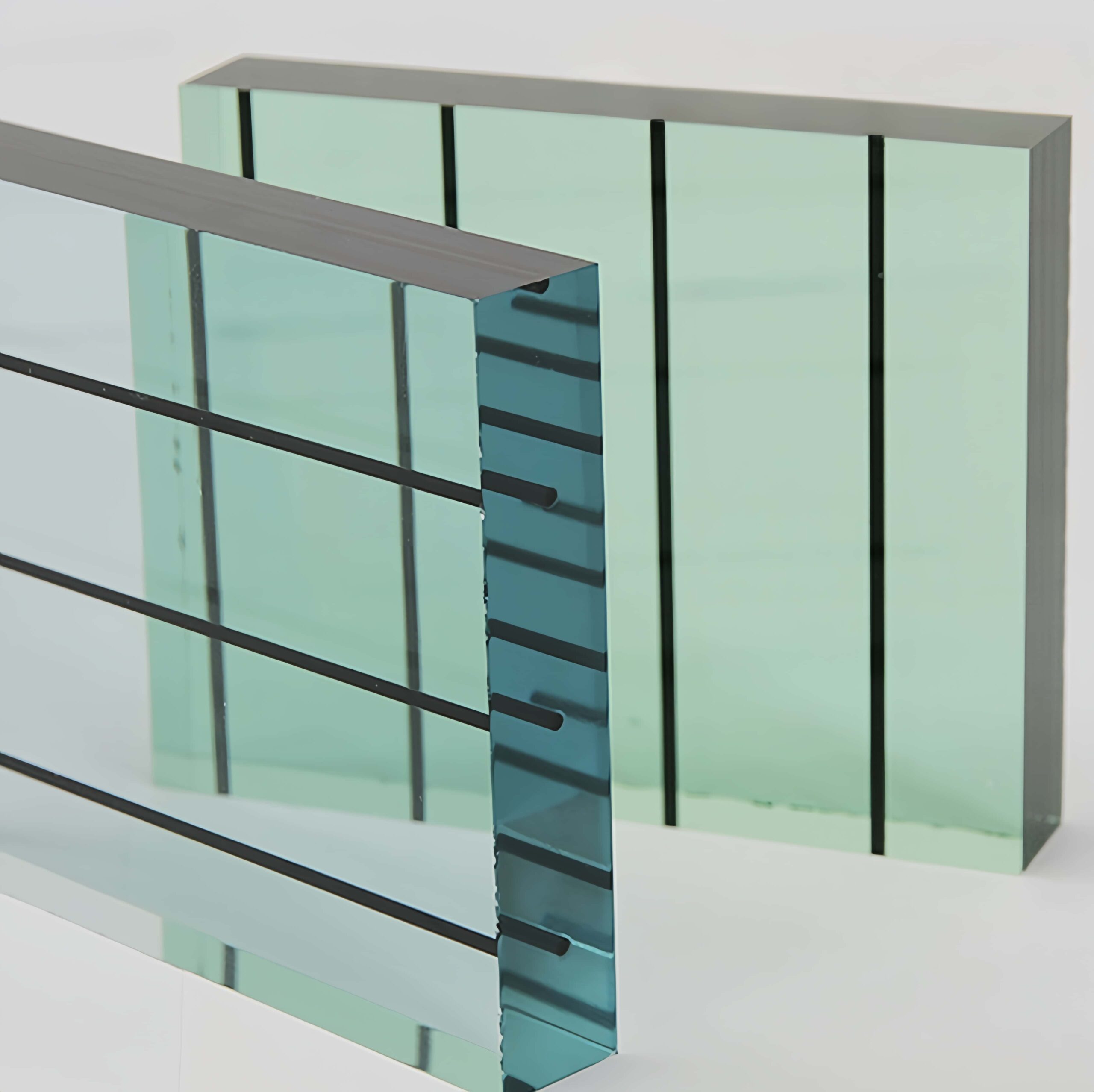
Stage three: prove it, then pack it
- Sample panels tested to EN 1793-2 for airborne sound insulation, giving Rw 31 dB for the 20 mm plain build.
- EN 1794-2 checks for safety and environmental performance, including fragment behaviour.
- Batch identification laser-etched on a hidden edge so a failed panel can be traced to its cast run.
- Edge protection and interleaving, packed upright in braced crates — flat-stacked acrylic bows in a container.
What separates a maker from a reseller
A reseller can quote a thickness. A manufacturer can change a cast run when the acoustic consultant asks for 22 mm instead of 20 mm, can re-anneal a batch that measured high on stress, and can put its own name on the test report. Those three capabilities are the difference when a project hits a snag at week six.
The test documentation a project should expect is set out in transparent noise barrier panels with test report, and the acoustic basis of the plain panel in sound-reflecting noise barrier.
Frequently Asked Questions
Q: What should an acrylic sound barrier manufacturer provide with the panels?
A:Test evidence for the exact build — EN 1793-2 for airborne insulation and EN 1794-2 for safety and environmental behaviour — plus batch traceability and edge protection. A thickness figure alone is not a specification.
Q: Why does annealing matter before drilling?
A:Casting leaves internal stress in the sheet. Drilling or routing a stressed panel starts micro-cracks that grow in service. Annealing first, then machining, is what keeps fixings sound through thermal cycling.
Send your sound-wall drawings, span between posts and required Rw to oversales@rpplexiglass.com for a cast acrylic panel quotation with drilling and edge details.