
When a highway tender demands transparent noise barrier panels with test report, the first mistake buyers make is chasing a headline sound-reduction figure instead of checking what test it came from. A number is only useful if the test method matches the requirement your spec actually states.
What the test report has to prove
For a transparent acoustic panel the two things that matter are the airborne sound insulation (measured as a weighted sound reduction index) and the panel’s structural integrity in the frame. A report that lists only the acoustic value tells you nothing about deflection, wind load or how the panel behaves when fixed at highway height.
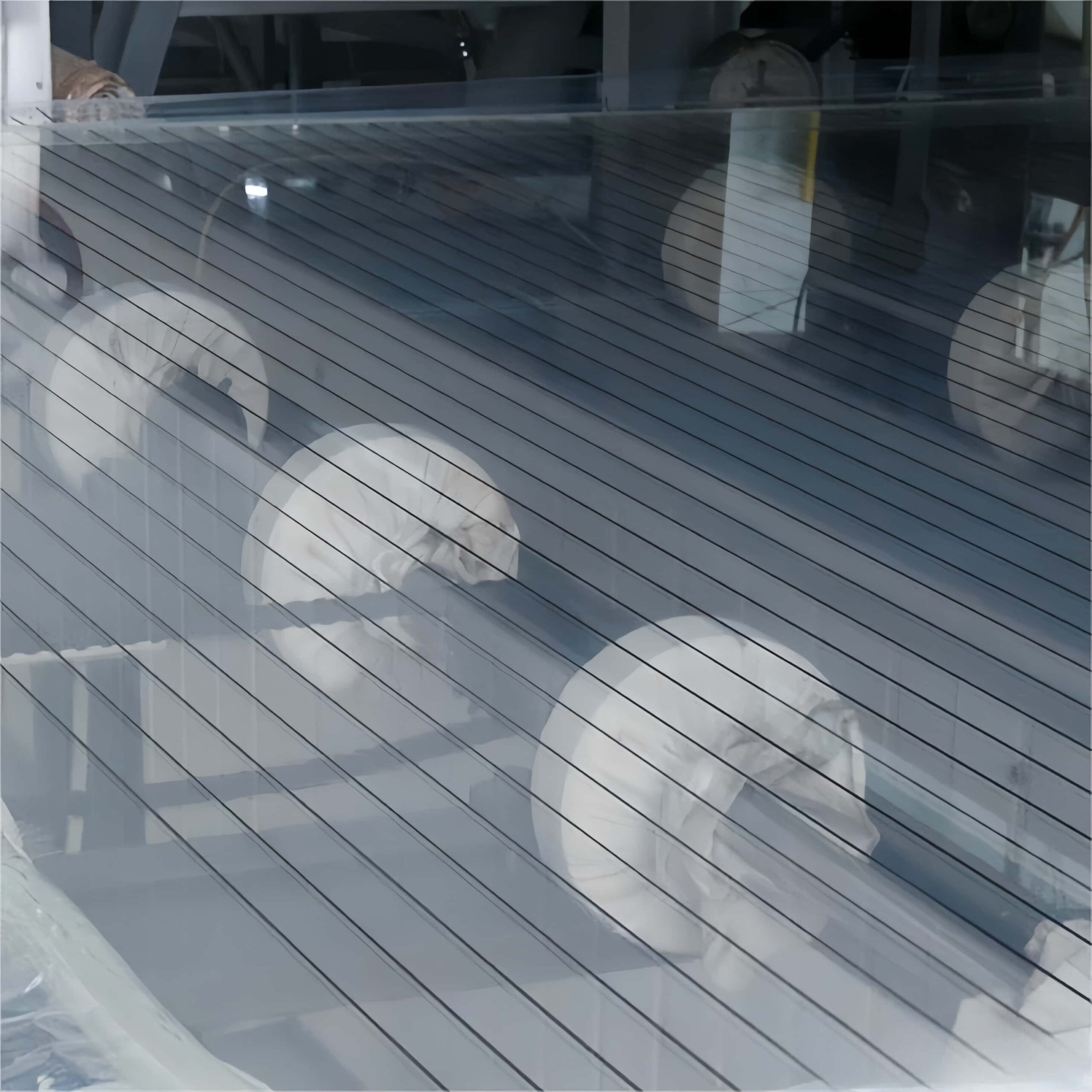
Ask for the report that matches your route
Confirm the test was run on a panel of the thickness and size you intend to use, and that the fixing detail in the report matches your frame. For a deeper read on how to interpret the numbers, see what specifiers must check in a transparent noise barrier test report.
Before you compare suppliers on paper, read acrylic versus polycarbonate for transparent noise barriers, because the material choice changes what the test report should show.
Frequently Asked Questions
Q: Which test report do transparent noise barrier panels need?
A:It depends on your route standard. Common ones cover airborne sound insulation, wind load and deflection; confirm the test method matches what your specification names.
Q: Is a high sound-reduction number enough?
A:No. The value must come from a panel of your thickness and fixing detail, and the report should also cover structural performance at the mounting height.
For a transparent noise barrier quotation matched to your project, email oversales@rpplexiglass.com with the route, height and panel spec.