
Polycarbonate is not the only transparent option for ballistic glazing. Bullet resistant acrylic — thick, cast, and rated to UL 752 — carries over 90% light transmission and a lower weight than laminated glass, and it machines cleanly for framing and barriers. It earns its place where clarity and easy fabrication matter as much as impact resistance.
Where cast acrylic fits in ballistic glazing
Thick cast acrylic absorbs impact and, being monolithic and low in internal stress, it does not shatter into sharp fragments the way glass does. For lower UL 752 levels and for barriers, viewing windows and security screens, cast acrylic is often the right engineering call: it is clearer than polycarbonate, lighter than glass, and machines and polishes into precise panels.
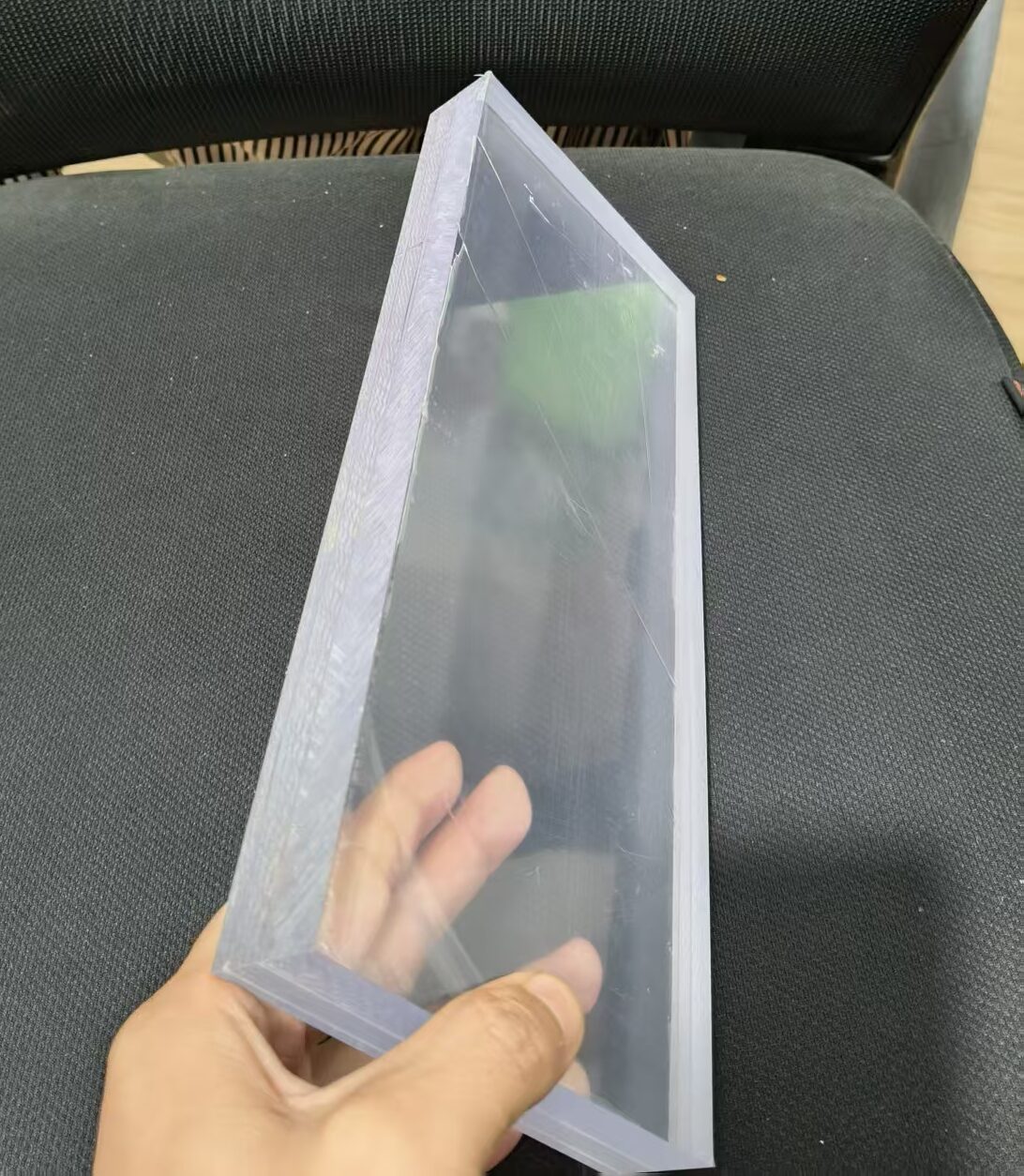
Choosing acrylic or polycarbonate for the same threat
For a lower handgun threat with a strong clarity requirement, cast acrylic is excellent. For a higher threat or repeated heavy impact, polycarbonate’s toughness earns its place. The decision is made against the actual UL 752 level, the panel size and the frame load, not against habit.
For the material trade-off, our guide to bullet resistant polycarbonate vs glass shows the same comparison, and the full level map is in UL 752 ballistic ratings explained.
Frequently Asked Questions
Q: Is bullet resistant acrylic as effective as polycarbonate?
A: For lower threat levels cast acrylic is effective and clearer; for higher threats and repeated impact, polycarbonate’s toughness is superior. Match the material to the UL 752 level.
Q: How thick is bullet resistant acrylic?
A: Thick cast acrylic for ballistic use runs from roughly 25 mm up to 50 mm and more, sized against the UL 752 level and panel span.
For a project-specific quotation on bullet resistant polycarbonate, email oversales@rpplexiglass.com with your threat level, panel size and frame detail.