
A bank in Southeast Asia replaced a single-sheet glazing panel after a smash-and-grab attempt. The panel did its job, but the damage was total. The retrofit that followed used laminated polycarbonate glazing – multiple PC layers bonded into one panel – so the outer layer absorbs the strike while the inner layers stop the threat and the panel keeps working even when scratched.
Why laminate instead of a single sheet
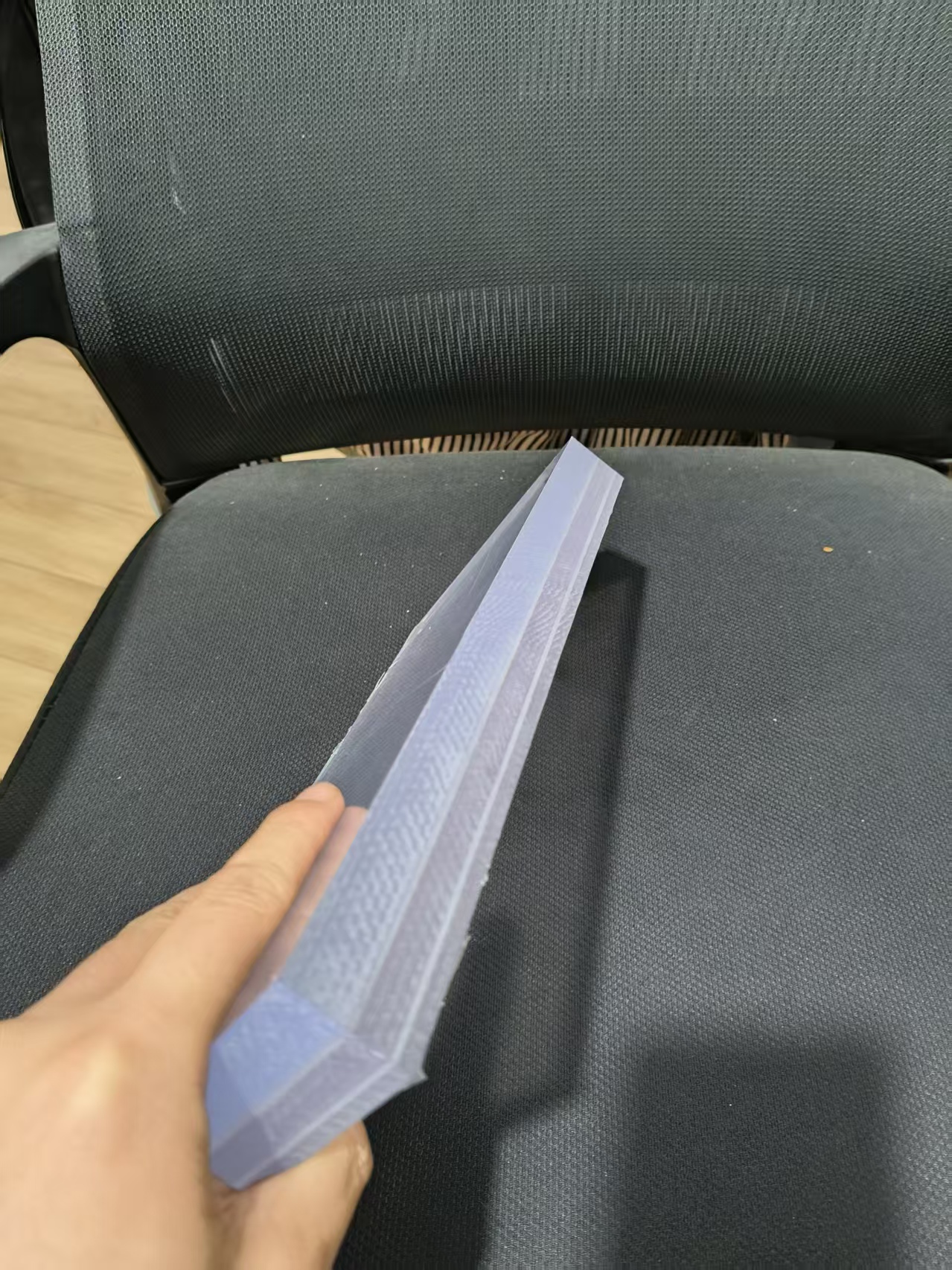
A single thick polycarbonate sheet stops a projectile, but a laminate does something more: the bonded multi-layer build spreads the impact across interfaces and adds forced-entry resistance, so a breach attempt slows long enough for the alarm to work. For a laminated polycarbonate glazing panel, the layers are bonded under controlled conditions so the panel stays clear and the bond line carries the ballistic load rather than the surface alone.
Specifying the laminate
The thickness and layer count come from the threat: handgun threats stop with a different build than rifle threats, and each is matched to a UL rating. RP River People supplies laminated polycarbonate glazing with the layers, edge finish and any test documentation the project requires. For how the levels map to threats, our guide on UL 752 ballistic ratings explains the levels, and ballistic polycarbonate glazing covers the single-panel build.
Frequently Asked Questions
Q: Is a laminate better than a single sheet?
A: For forced-entry and multi-hit threats a bonded laminate spreads impact and slows breaches better than a single sheet.
Q: How is the layer count decided?
A: From the threat level you are rated against; each UL level maps to a specific panel build.
Q: Do you supply test documentation?
A: Yes, panels are supplied with the rating and any test documentation the project requires.
For a project-specific quotation, email oversales@rpplexiglass.com with your threat level, opening size and frame detail.