
A community got a new noise protection wall and the first panel leaked sound at the post joint. The acrylic was fine; the staging was wrong. A wall is only as quiet as its weakest joint, so the sequence — foundation, posts, panels and the seals between them — decides the result more than the sheet itself.
Build it in stages, seal it at every joint
A transparent acrylic noise protection wall keeps the view while cutting traffic noise, but the panels only work if the wall is built in the right order. The foundation and posts carry the wind load, the panels are hung and fixed to them, and every joint and fixing point is sealed so sound cannot leak. A panel with a high sound reduction still fails if it sits in a frame that lets noise through at the edges. The staging is the engineering.
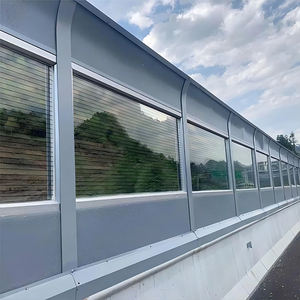
The build order that keeps it tight
- Foundation and posts sized for the wind and acoustic load.
- Panels fixed to the posts with the right edge gap.
- Seals applied to every joint and fixing point.
- A final sound check at the worst joint before handover.
How the wall is installed in stages is covered in the noise protection wall acrylic guide, and how the panel behaves when noise is reflected in sound reflecting acrylic barrier.
Frequently Asked Questions
Q: Why does a transparent noise protection wall leak sound at the joints?
A:Because the acrylic panel is only as quiet as its weakest joint. If the posts, edge gaps and seals are not done in the right order, noise leaks where the panel meets the frame even when the panel itself is high-performing.
Q: What makes an acrylic noise protection wall last?
A:A UV-stable acrylic that stays clear for decades, plus a staging sequence that seals every joint and fixing point. The sheet and the build both have to hold up outdoors.
For a transparent acrylic or polycarbonate noise barrier quoted to your project standard, thickness and panel layout, email oversales@rpplexiglass.com with the barrier height, length, acoustic class and test-report requirement.