
A high bridge closes when gust speed passes a threshold, not because the deck fails, but because a vehicle can be pushed. An acrylic wind barrier changes that by cutting the crosswind at vehicle height, keeping the road open in winds that would otherwise shut it.
What the barrier has to survive
The wind load is the design driver. A bridge wind barrier must take repeated gust loading, resist the impact of a passing vehicle, and stay attached through its frame. Acrylic works because it is stiff enough to hold a pressure load, clear enough not to block the driver’s view, and its surface can be drilled and fixed along the panel without losing strength. The holes that relieve pressure and the fixings that carry the load are as important as the sheet thickness.
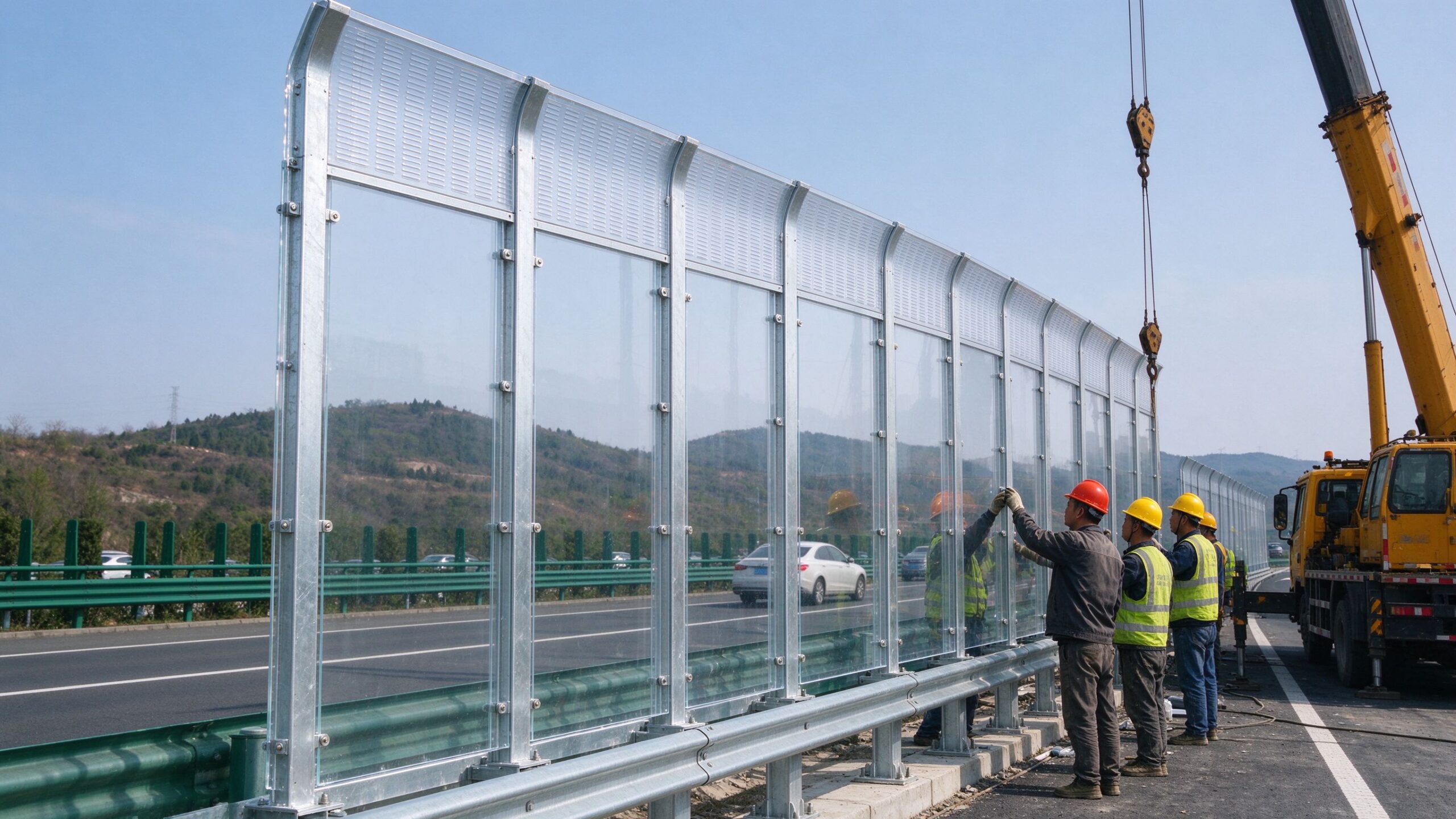
Specify the load case first
- Design gust speed and the height of the barrier.
- Pressure-relief hole pattern and edge fixings.
- UV-stable cast acrylic that does not yellow in service.
- Impact class if vehicles can hit the panel.
How the thicker 20mm load case is handled on bridges is in the bridge wind barrier acrylic guide, and how transparent barriers behave on elevated roadways in transparent noise barrier panels for bridges.
Frequently Asked Questions
Q: Why use acrylic for a bridge wind barrier?
A:Acrylic is stiff enough to hold a pressure load, clear enough not to block the driver’s view, and can be drilled and fixed along the panel without losing strength, which suits repeated wind loading on bridges.
Q: What sets the acrylic wind barrier thickness?
A:The design gust speed and the barrier height set the wind load, and the pressure-relief hole pattern and edge fixings carry it. UV-stable cast acrylic also avoids yellowing over a long outdoor life.
For a transparent acrylic or polycarbonate noise barrier quoted to your project standard, thickness and panel layout, email oversales@rpplexiglass.com with the barrier height, length, acoustic class and test-report requirement.