
A trusted acrylic factory can be recognised by what it measures, not by what it claims. A buyer in Melbourne shortlisted three acrylic suppliers on price and samples, placed a trial order with the cheapest, and received sheet that measured 4.6 mm on a nominal 5 mm, with a 1.1 mm bow across a 2,440 mm length. The sample had been perfect. The production sheet had come from a different line, and nobody had asked which line made the sample.
Vetting a trusted acrylic factory is an evidence exercise, not a relationship exercise. The questions are predictable, the answers are checkable, and the difference between a factory and a trader is usually visible in three specific replies.
A trusted acrylic factory: casting capacity tells you most
Ask what tonnage the plant casts per month, how many autoclaves or casting lines it runs and whether it casts or buys its sheet. A trader will describe products; a factory will describe a process with numbers. Follow up with the plant address and a video walk-through of the line, and check that the address matches the certificate of origin.
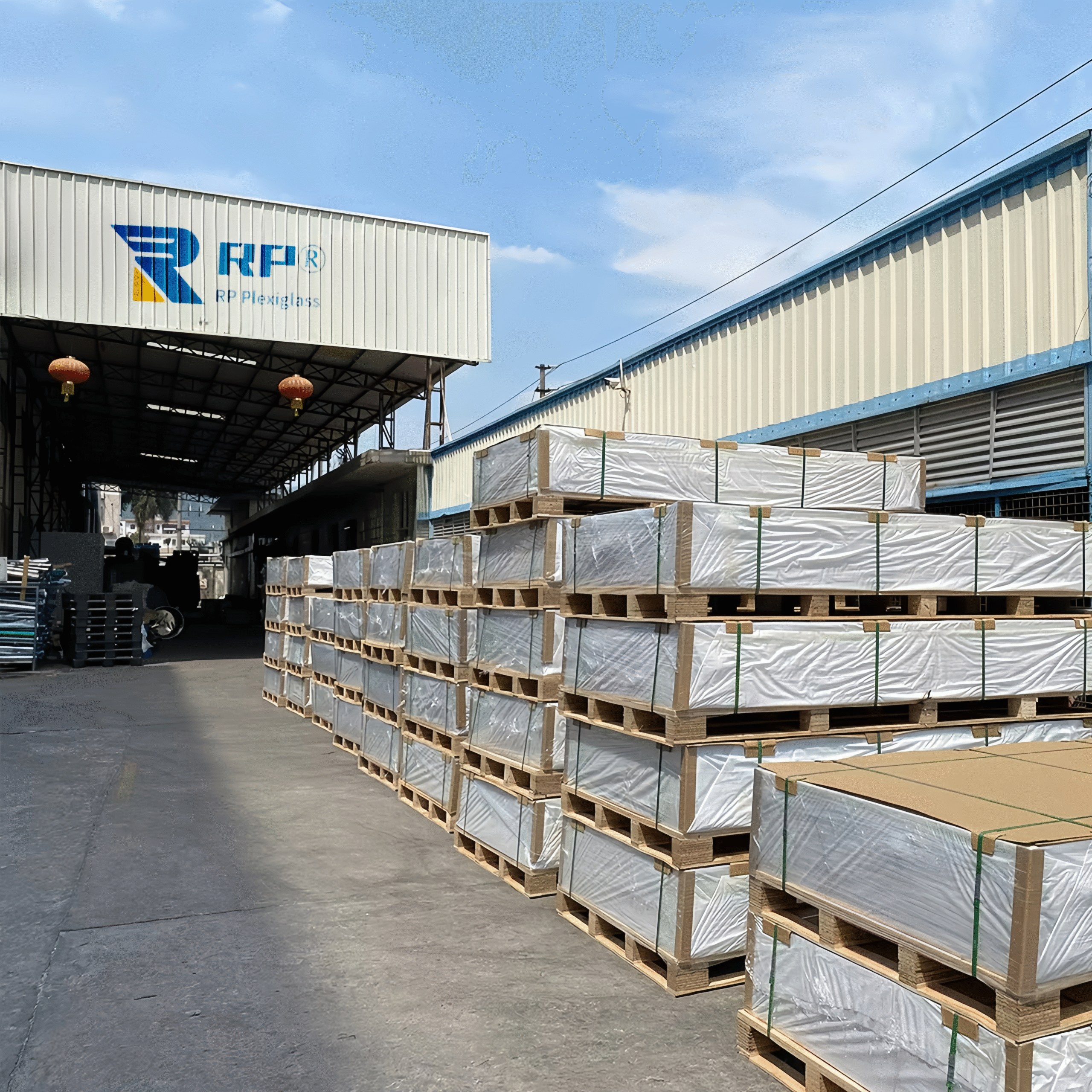
Capacity also tells you about lead time honesty. A plant casting 300 tonnes a month with a 40 tonne order in the queue can give a reliable date; one casting 30 tonnes a month and quoting 25 tonnes with a three-week lead time is guessing.
Thickness control and tolerance evidence
Ask for the thickness tolerance the plant holds across a full sheet, and for measurement records from the last ten production lots. A nominal 5 mm sheet should be delivered between 4.8 and 5.2 mm by most standards, measured at nine points. A supplier who quotes a tolerance but cannot produce records is quoting a wish.
Bow and flatness matter for any panel that will be framed or bonded. A 0.5 mm bow over 2,440 mm is normal; 2 mm is a sheet that will not sit flat and will crack at the fixings. Include a flatness check in the incoming inspection and state it on the purchase order.
Samples, retention and traceability
Ask whether the sample came from the same line, grade and thickness as the production order, and whether the factory keeps a retained sample per lot. A plant that retains samples for 24 months can investigate a complaint; one that does not can only negotiate. The batch number on the carton should trace to the casting date and the resin lot.
In-house finishing and certification scope
Cutting, polishing, drilling and bonding in-house shortens the chain and keeps the tolerance. If the factory only casts and subcontracts finishing, the tolerance you approve is set by a third party you have never met. Ask which operations happen inside the gate, and ask for a photo of the CNC and the polishing line rather than a list of capabilities.
Certification scope is the other common gap: an ISO 9001 certificate that covers trading does not cover production, and a UL yellow card that names a different plant does not cover the sheet in the carton. The document set that matches a shipment is described in our note on what buyers ask before a first sheet order.
Finally, ask for three references in your region and call them. Ask what went wrong, not what went right. A factory with a credible answer to a past problem is worth more than one with none. The RFQ structure in our acrylic sheet RFQ guide puts the evidence request into the first email rather than the third.
Send your sheet specification and annual volume to oversales@rpplexiglass.com, and we will return the process data, tolerance records and document set for the grade before you commit to a trial order.
Frequently Asked Questions
How do I know if an acrylic supplier is a factory or a trader?
Ask for monthly casting tonnage, the number of lines, the plant address and a walk-through video. A trader describes products and lead times; a factory describes a process with figures. Then check the certificate of origin against the plant address.
What thickness tolerance should cast acrylic sheet have?
Around plus or minus 0.2 mm on a 5 mm sheet, measured at nine points, with a flatness of 0.5 mm or less over 2,440 mm. Ask for measurement records from recent lots, not just a tolerance statement.
What documents should I request before a first order?
ISO 9001 with a production scope, a RoHS and REACH declaration naming the grade, a fire classification at the delivered thickness if required, the certificate of origin, and a retained sample from the lot. Then call two references in your region.