
The point of an underwater observation window is that the water is on one side and the viewer on the other, with nothing in between but clear glazing. Whether it fronts a pool, a therapy tank or an exhibit, the window only works if the acrylic stays truly transparent at the thickness the depth demands.
Why acrylic wins for underwater observation
Cast acrylic holds optical clarity at the thick gauges underwater openings need, and it is far lighter than glass of equal strength, which eases the flange and the pool shell. A typical build is a cast acrylic window set into a stainless steel flange that the wall clamps onto, sealed at installation so the joint stays watertight across the pool’s service life.
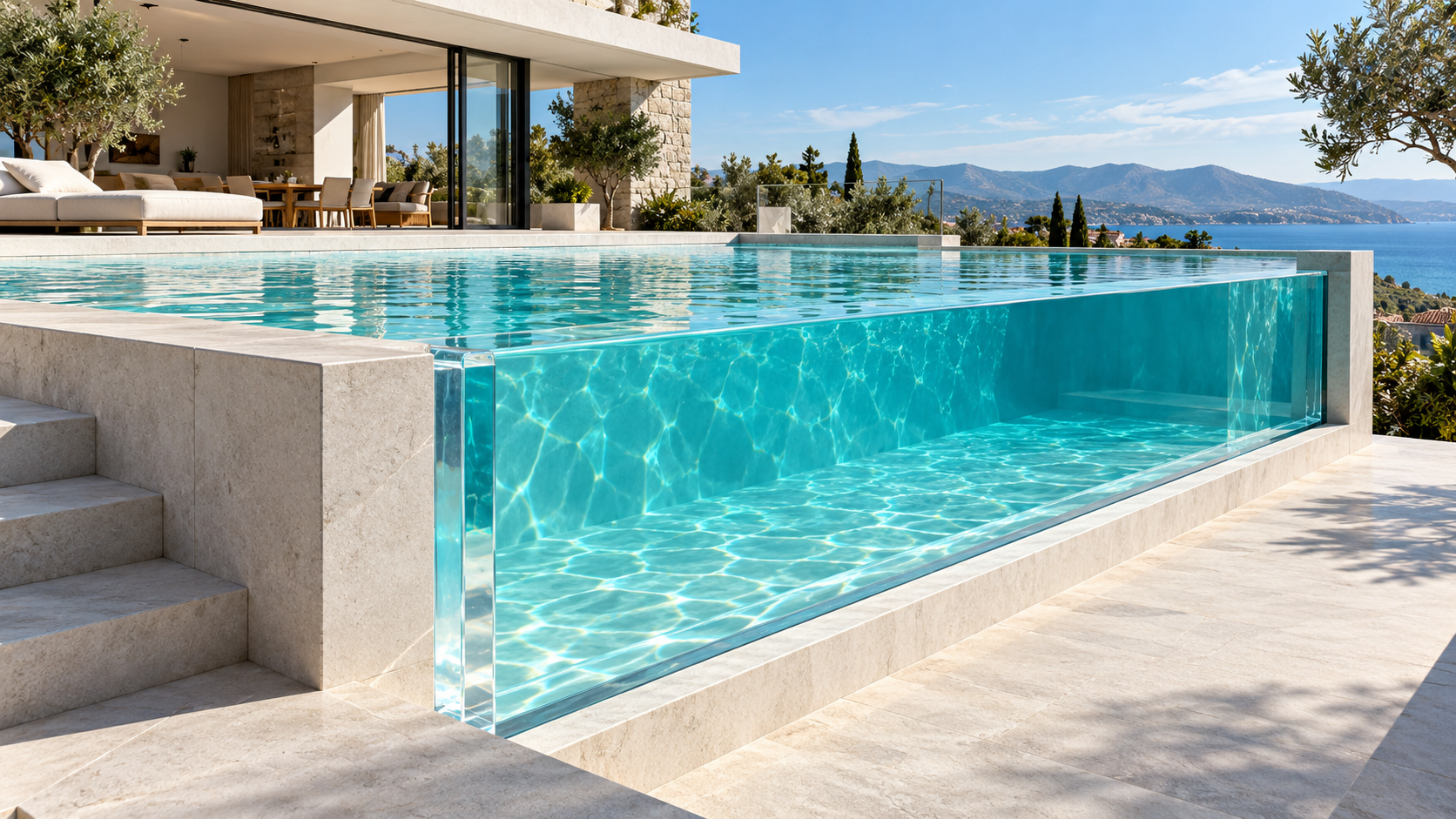
What the supplier should confirm
- Cast acrylic thickness for the water depth and span.
- Optical clarity at that thickness.
- Stainless steel flange and frame detail.
- Seal and installation procedure.
- Weight and handling for the shell.
For the pool-side engineering, see pool window thickness, pressure and sizing, and for the full spec, the underwater observation window cast acrylic spec guide.
Frequently Asked Questions
Q: Why is acrylic used for underwater observation windows?
A:Cast acrylic stays clear at the thick gauges underwater openings need and is lighter than glass of equal strength, easing the flange and pool shell.
Q: Do underwater windows use a flange?
A:Most engineered acrylic underwater windows set into a stainless steel flange that the wall clamps onto, sealed at installation for a watertight joint.
For a project-specific quotation on cast acrylic aquarium or pool panels, email oversales@rpplexiglass.com with your depth, opening size and thickness plan.