
Ask any maintenance team what kills a transparent barrier and they will not say the noise — they will say the sun. UV resistant transparent noise barrier panels are specified precisely so the sheet does not yellow, craze or lose strength after seasons in direct sunlight, and the choice of material decides that fate more than anything else.
How UV degrades a transparent panel
Without UV stabilisation, a clear acrylic or polycarbonate sheet slowly yellows, its transmission drops and micro-crazing weakens the surface under wind and grit. A UV-stable co-extruded build keeps the outer layer protected so the panel holds both its clarity and its structural strength across years. For an outdoor noise wall, that long-term optical life is part of the engineering, not an optional extra.
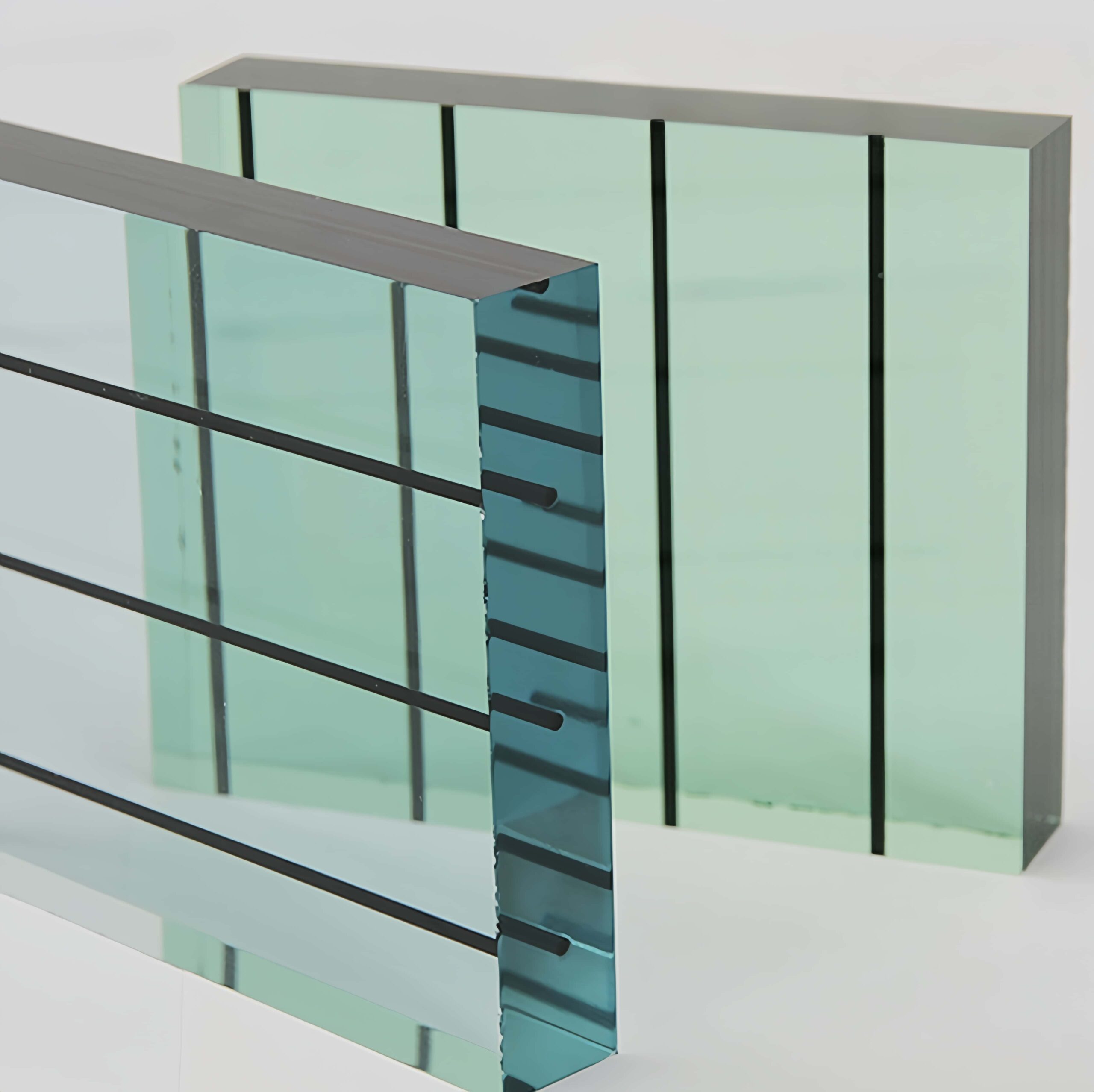
Locking in outdoor performance
- Specify UV-stable co-extruded material, not plain clear sheet.
- Confirm the transmission holds after accelerated weathering.
- Size thickness for wind and deflection, not just acoustics.
- Plan cleaning so the surface keeps its protection intact.
For how acrylic yellowing actually happens, see UV protection and outdoor lifespan, and for what the test report should show, what specifiers check in a noise barrier test report.
Frequently Asked Questions
Q: Why does a UV resistant noise barrier panel matter outdoors?
A:Without UV stabilisation the sheet yellows, loses transmission and weakens over time; UV-resistant material keeps clarity and strength for years in the sun.
Q: Can a transparent barrier last outdoors for years?
A:Yes, with UV-stable co-extruded acrylic, correct thickness for wind and a cleaning plan, the panel holds its optical and acoustic performance across its service life.
For a transparent noise barrier quotation matched to your project, email oversales@rpplexiglass.com with the route, height and panel spec.