
An acrylic taxidermy display case earns its keep by keeping air out.
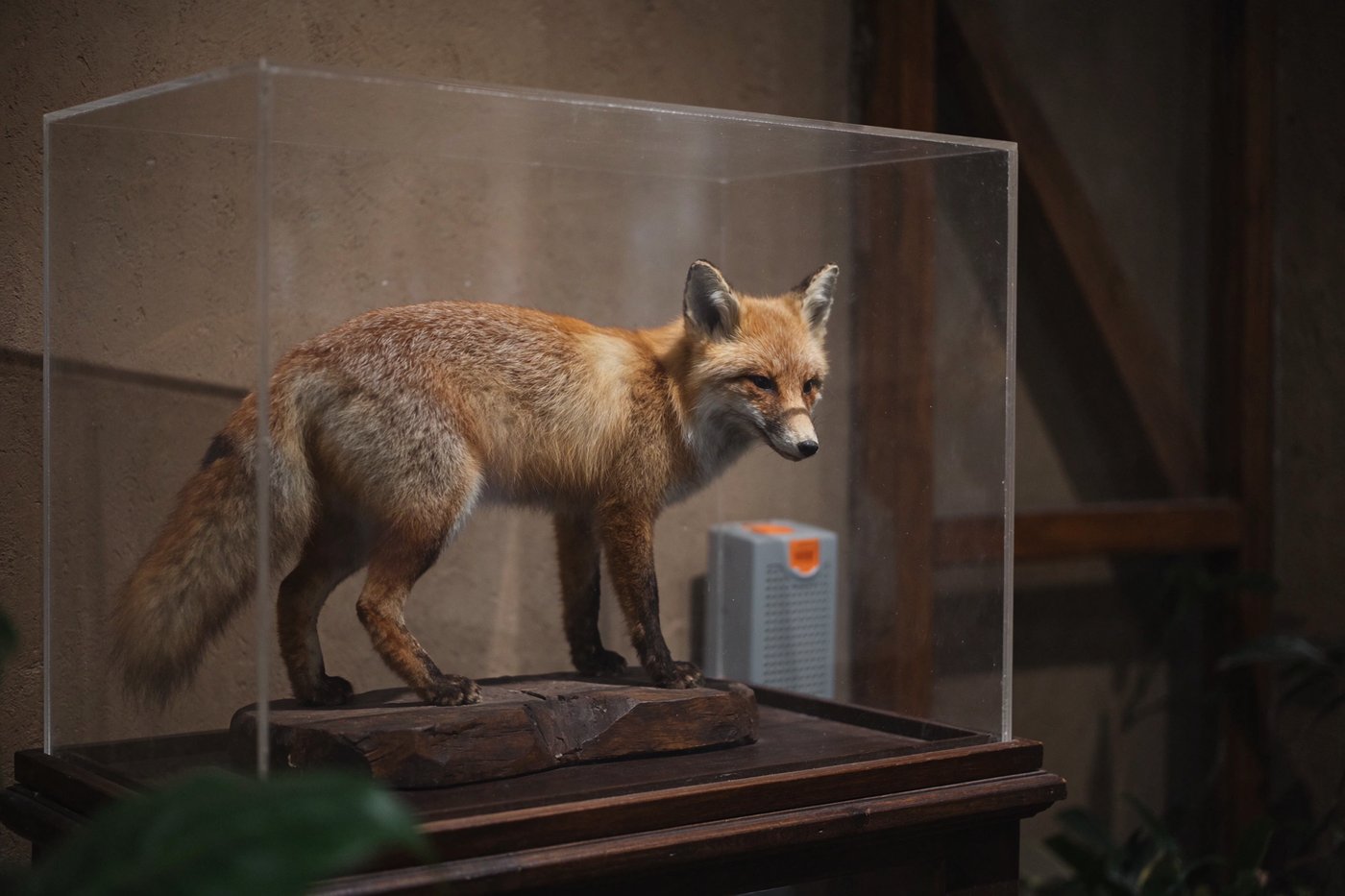
A museum in the north of England opened a store room after eight years and found a mounted fox with a dust line across the muzzle and carpet beetle damage at the base of the ears. The case had been built as five acrylic sheets bonded at the corners with no gasket and no silica. It looked sealed. It was not.
An acrylic taxidermy display case has to do two things at once: keep the mount visible from every side, and keep the air around it dry and still. Acrylic solves the visibility problem easily, which is why so many cases are built from it. The sealing is where most of them fail.
The build that actually seals
Six millimetre cast acrylic is the usual wall for a case up to about 600 mm cube. The base should be 8 to 10 mm so it can carry the mount and the desiccant without deflecting, and the top can drop to 6 mm if there is a frame. Bond the corners with a solvent or two-part acrylic adhesive, then run a fillet inside the joint rather than relying on the butt face alone.
The lid is the weak point. A flat acrylic lid sitting on a rebate with no gasket leaks steadily. A shallow acrylic lip with a closed-cell EPDM or silicone gasket, plus two small cam latches, gives a joint that will hold a desiccant charge for months. Where the case is on open display, add a lockable latch so visitors cannot lift the lid.
Desiccant, mount and the air inside
- Put a desiccant box in a compartment behind or under the mounting plate, with a perforated divider, not loose on the base
- Mount the specimen on a plate that stands off the base by 20 to 30 mm so air can move and desiccant can work
- Record the relative humidity at sealing and write it on a label inside the case
- Add a small reversible hygrometer if the collection is valuable enough to justify it
The ventilation argument splits collectors. A case with vents keeps the interior from condensing during temperature swings but lets dust and insects in. For a taxidermy mount, sealing plus desiccant is the better trade, provided the case is not moved between rooms with very different humidity without being resealed.
Optics and the light that fades fur
Acrylic passes most visible light and blocks a good part of the UV below 380 nm, which slows fading. If the case sits under window light for years, specify a UV-filtering grade and keep the display away from direct sun. LED lighting inside the case must be low-heat and sealed at the cable entry, or the cable gland becomes the leak.
RP River People Plexiglass fabricates taxidermy and specimen cases with bonded corners, gasket rebates, desiccant compartments and lockable lids. Send the mount dimensions and the display location for a quotation.
Send the mount dimensions, plinth size and display location to oversales@rpplexiglass.com for a sealed case quotation.
Sealing a specimen case follows the same rules as a museum vitrine, set out in our acrylic museum vitrine guide.
Frequently Asked Questions
Should a taxidermy case be vented?
For a mount in a stable, dry room, sealing with desiccant is better: it keeps dust and insects out. Vents only make sense where the case will experience condensation cycles and cannot be resealed.
How thick should the walls be?
Six millimetre cast for a case up to 600 mm cube, 8 to 10 mm for the base. Larger cases need a frame or thicker walls, because a flat acrylic side panel deflects and the gasket loses contact.
Will acrylic protect the mount from UV?
It blocks part of the UV band, which helps, but it is not a complete filter. Use a UV-filtering grade and keep the case out of direct sun for long-term display.