
Two engineers, one corridor, two answers. One insists on cast acrylic for its clarity and low internal stress; the other wants polycarbonate for impact toughness. Both are right about half the story. Choosing between acrylic vs polycarbonate noise barrier panels is not about which material is better, but about which property the corridor punishes hardest.
How the two materials split the job
| Property | Cast acrylic | Polycarbonate |
|---|---|---|
| Optical clarity | Superior, low internal stress | Good, needs UV cap layer |
| Impact toughness | Good | Superior, resists thrown objects |
| UV / yellowing | Excellent inherent stability | Needs UV-protective co-extrusion |
| Edge machining | Machines cleanly, low creep | Tough, but prone to stress concentration if not dressed |
| Best corridor | Large clear spans, sightlines | Vandal / impact risk corridors |
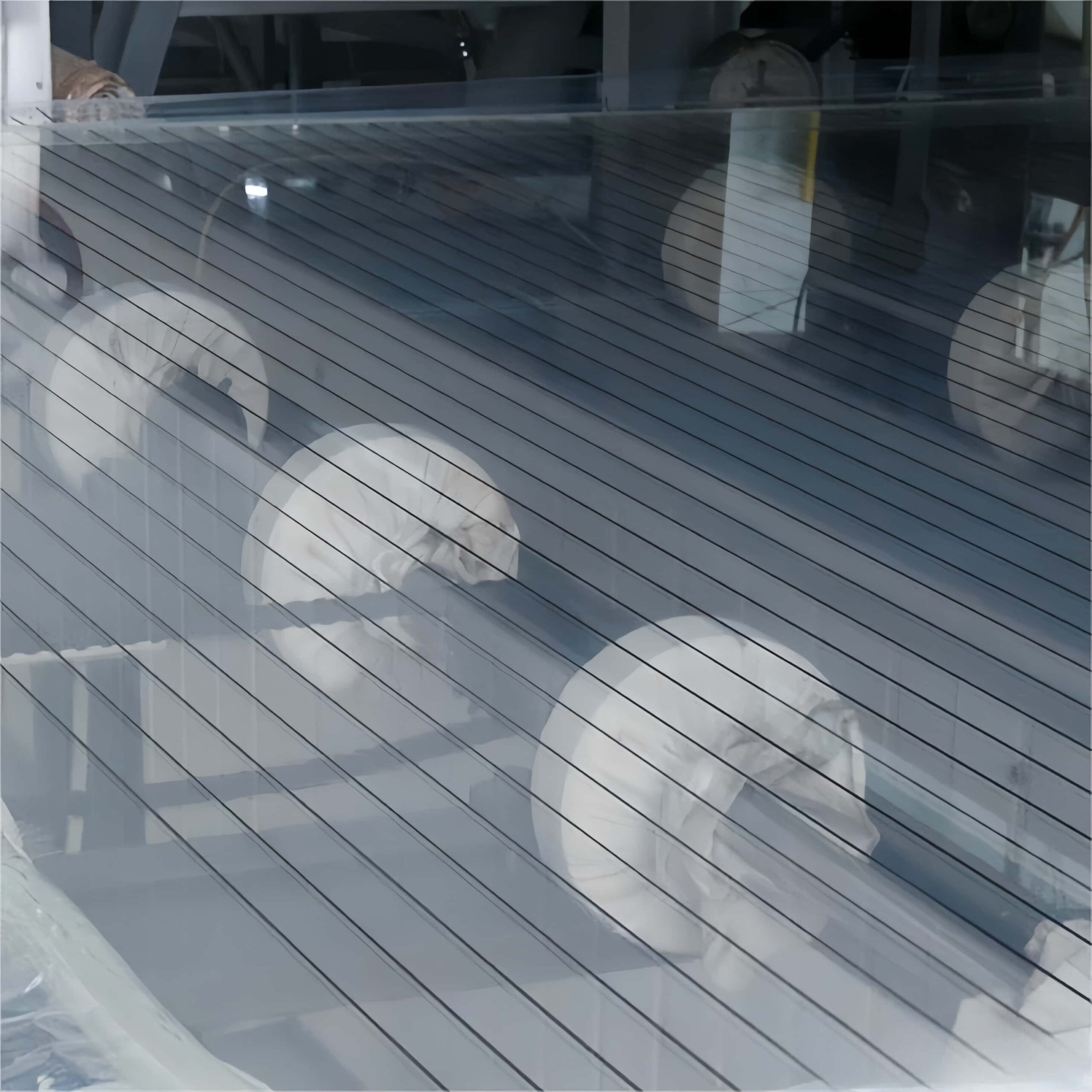
On a motorway where stones and debris strike the glazing, the toughness of polycarbonate earns its place. On a residential or rail corridor where the priority is decades of clarity, cast acrylic is the stronger choice. In both cases the panel must be edge-machined and the frame must not pinch the panel, because the material choice is wasted if the fixing detail defeats it.
For the acoustic side of the decision, our guide on transparent noise barrier panel test reports shows what to verify, and the impact behaviour is covered by our fragment retention acrylic noise barrier guide.
Frequently Asked Questions
Q: Is acrylic or polycarbonate better for a noise barrier?
A: It depends on the corridor. Cast acrylic gives superior long-term clarity and low internal stress; polycarbonate is tougher against impact but needs a UV cap layer. Pick the property your corridor punishes hardest.
Q: Do both materials meet the same acoustic standard?
A: Both can be manufactured to meet a specified weighted sound reduction index when correctly sized; confirm the test report matches your authority’s standard.
For a project-specific quotation on transparent noise barrier panels, email oversales@rpplexiglass.com with your corridor width, required sound reduction, panel size and fixing detail.