
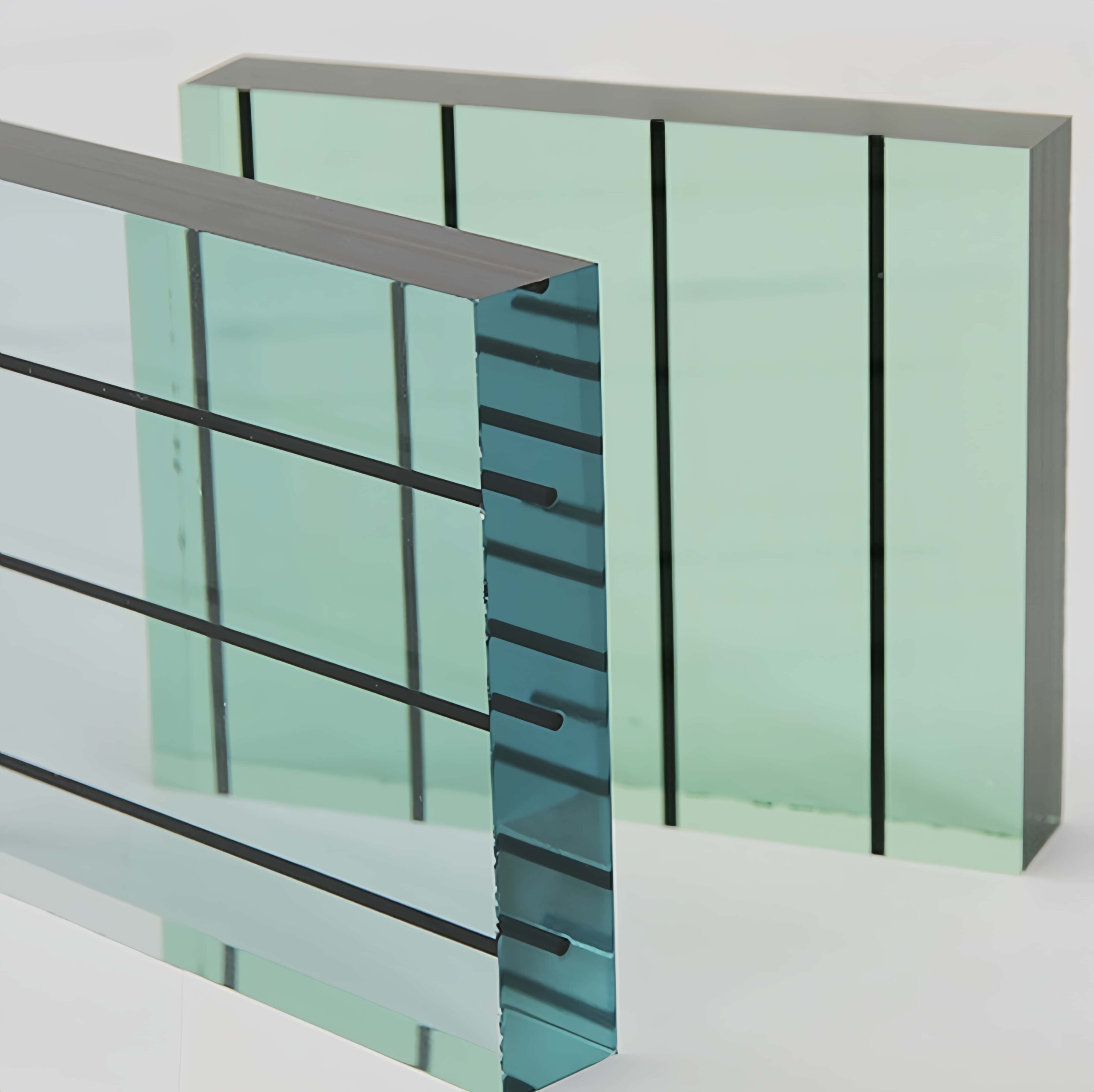
On an elevated road, wind is not an inconvenience — it is a load case. The reason a bridge wind barrier acrylic panel is often specified at 20mm is not aesthetics; that gauge is a structural answer to the gust loads and impact energy the screen has to absorb while staying transparent enough to preserve the view.
Why thickness follows the exposure
A bridge screen is loaded sideways by wind against the full panel face, and it has to survive the occasional impact of debris or a vehicle edge without shedding pieces. The thickness is therefore driven by the wind zone and panel height, and the frame must transfer that load without point-loading the sheet at a bolt. Acrylic at the right gauge is stiff, transparent and lighter than laminated glass, which is why it keeps appearing on viaduct and high-level road jobs.
Sizing the bridge screen
- Confirm the wind zone and panel height before choosing gauge.
- Design the frame so load spreads, not point-loads.
- Specify a stiff, impact-safe grade for the exposed face.
- Allow expansion so the sheet does not bind in the frame.
For the wind-screen family in more depth, see the acrylic bridge and highway wind screen guide, and for how the materials compare, acrylic versus polycarbonate for transparent barriers.
Frequently Asked Questions
Q: Why is a bridge wind barrier often 20mm?
A:20mm is a common structural answer to wind load and impact on exposed elevated screens; the exact gauge still follows the wind zone, height and deflection limit.
Q: Can acrylic survive a bridge collision?
A:With a stiff gauge and a frame that spreads load, yes — the sheet absorbs impact without shedding dangerous fragments, and stays transparent.
For an acrylic noise barrier or wind screen quote matched to your route and loading, email oversales@rpplexiglass.com with the corridor, height, panel size and wind zone.