
Two quotations for the same clear acrylic 4×8 price request landed on a buyer desk in Dubai last month, 31 per cent apart, both described as 5 mm cast, both 1220 x 2440 mm. Neither was dishonest. They were selling different objects.
Five cost lines inside a clear acrylic 4×8 price
Optical grade cast with a UV absorber is a different product from general purpose cast. The gap at 5 mm is roughly eight to fourteen per cent, and it buys outdoor life measured in years rather than in months. For an interior display, that premium is wasted; for glazing, it is the whole point.
Cost line two: thickness tolerance
A nominal 5 mm sheet can be delivered at 4.6 mm and still pass a casual check. That 8 per cent of polymer is invisible in the price and visible on the scale. Ask for the tolerance band in writing, and for the sheet weight in the quotation.
Weight is the honest proxy. A 1220 x 2440 mm cast sheet at 5 mm should weigh about 14.8 kg. If a quote implies 13.2 kg, the sheet is thinner than advertised. The thickness tolerance note explains how to write the band into an order.
Cost line three: masking and surface
Film type changes the price and the claim. A paper mask protects in transit and leaves adhesive residue that must be cleaned. A PE film protects better and costs more. Laser-grade film avoids bubbling under the beam and costs more again. For cut-to-size work, the wrong film is a scrapped panel, not a cheaper one.
Cost line four: cutting and packing
A full sheet is cheap to handle; a cut panel is not. Cutting, deburring, edge polishing and labelling add cost per piece, and so does packing. Ten sheets in a crate with 0.05 mm interleaving survive a sea freight leg; ten sheets in a carton do not.
Cost line five: the freight term
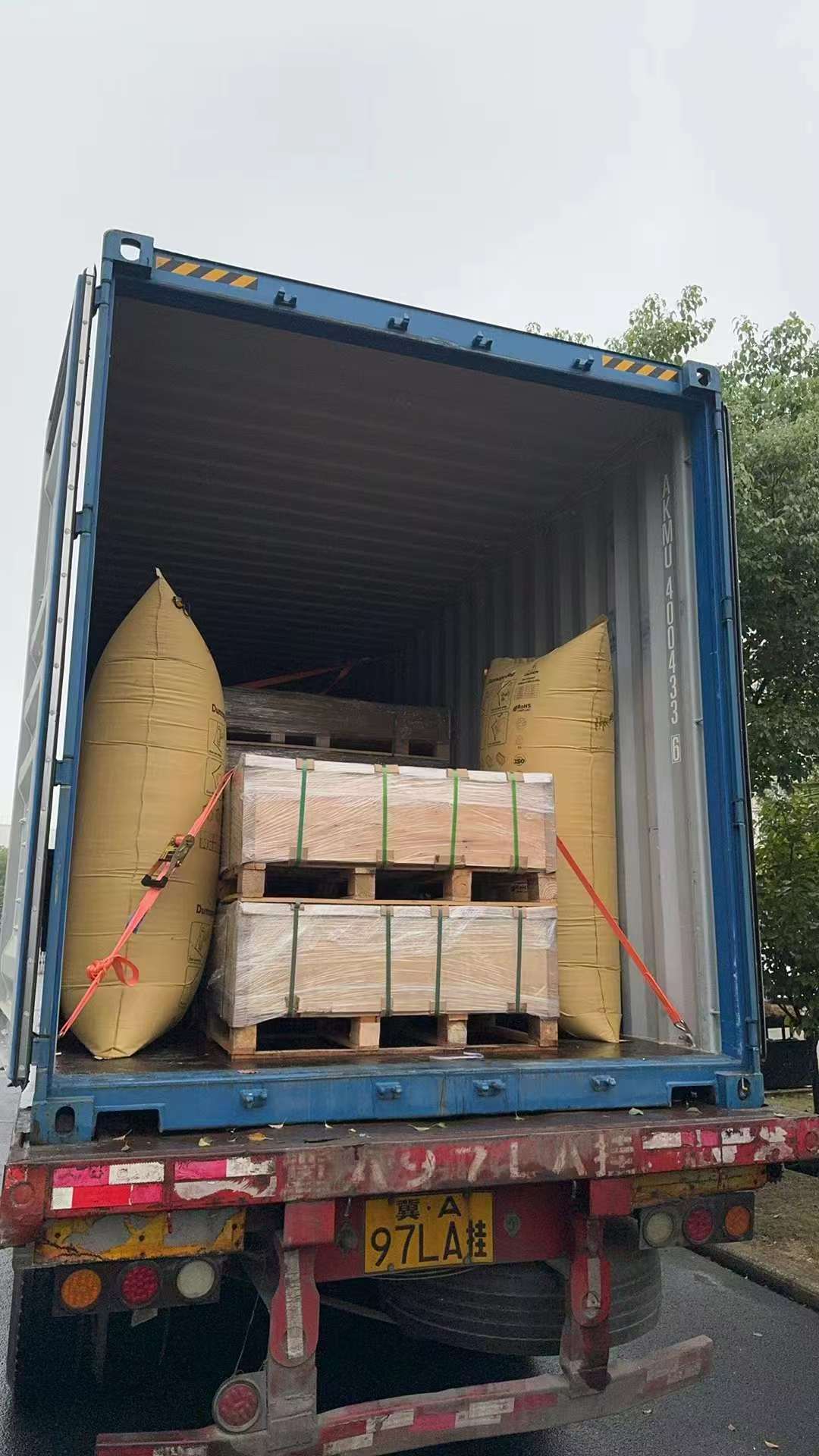
EXW, FOB and CIF are three different risk positions. On a 20-foot container holding roughly 1,000 square metres of 5 mm sheet, the difference between EXW and CIF is often a fifth of the landed number, and it is the line buyers compare least carefully.
- EXW: you own the goods at the factory gate, including export clearance
- FOB: seller clears export and loads, you book and pay freight
- CIF: seller pays freight and insurance to your port, risk passes on loading
What a fair quote looks like
A useful quotation lists grade, tolerance band, masking, sheet weight, cutting, packing, term and validity. If any of those is missing, the comparison is not a comparison; it is two different offers with the same noun. The RFQ structure here is what we ask buyers to send so that replies come back comparable.
One more line that never appears in the price: replacement cost. A sheet that arrives at 4.6 mm and bows in service costs the difference plus the installation, and that number is usually larger than the 31 per cent that started the argument.
Send your thickness, quantity and delivery city to oversales@rpplexiglass.com and we will quote the same basket line by line, EXW and CIF.
Frequently Asked Questions
Why do two quotes for a 4×8 clear sheet differ so much?
Usually thickness tolerance, masking and freight terms. A nominal 3 mm sheet at 2.6 mm uses about 13 per cent less polymer; unmasked sheet saves film and labour; EXW versus CIF moves the risk of freight to you.
What does a 1220 x 2440 mm sheet weigh?
Cast acrylic at 3 mm weighs about 8.9 kg, at 5 mm about 14.8 kg, at 8 mm about 23.8 kg, and at 10 mm about 29.7 kg. Multiply by sheet count before comparing freight quotes.
Is extruded sheet cheaper at 4×8?
It is usually five to twelve per cent cheaper at the same nominal thickness, and it is thinner in tolerance. It is the right choice for signage and displays; cast is the right choice where machining, bonding or outdoor life matters.