
A corridor that installed clear highway noise barrier panels in spring looked excellent at handover — and six months later the specifier was apologising to the client, because the panels had dulled under road grit and UV. The panels had not failed acoustically; they had failed optically, which on a transparency wall is the same thing.
Why a transparent barrier stops being transparent
Two things kill highway panel clarity: surface abrasion from wind-blown grit and degradation of the outer layer under sunlight. A co-extruded, UV-stable acrylic with a hard-wearing surface holds its transmission far better than an untreated sheet. Thickness and material grade matter as much as the quoted sound value when the panel faces a live carriageway.
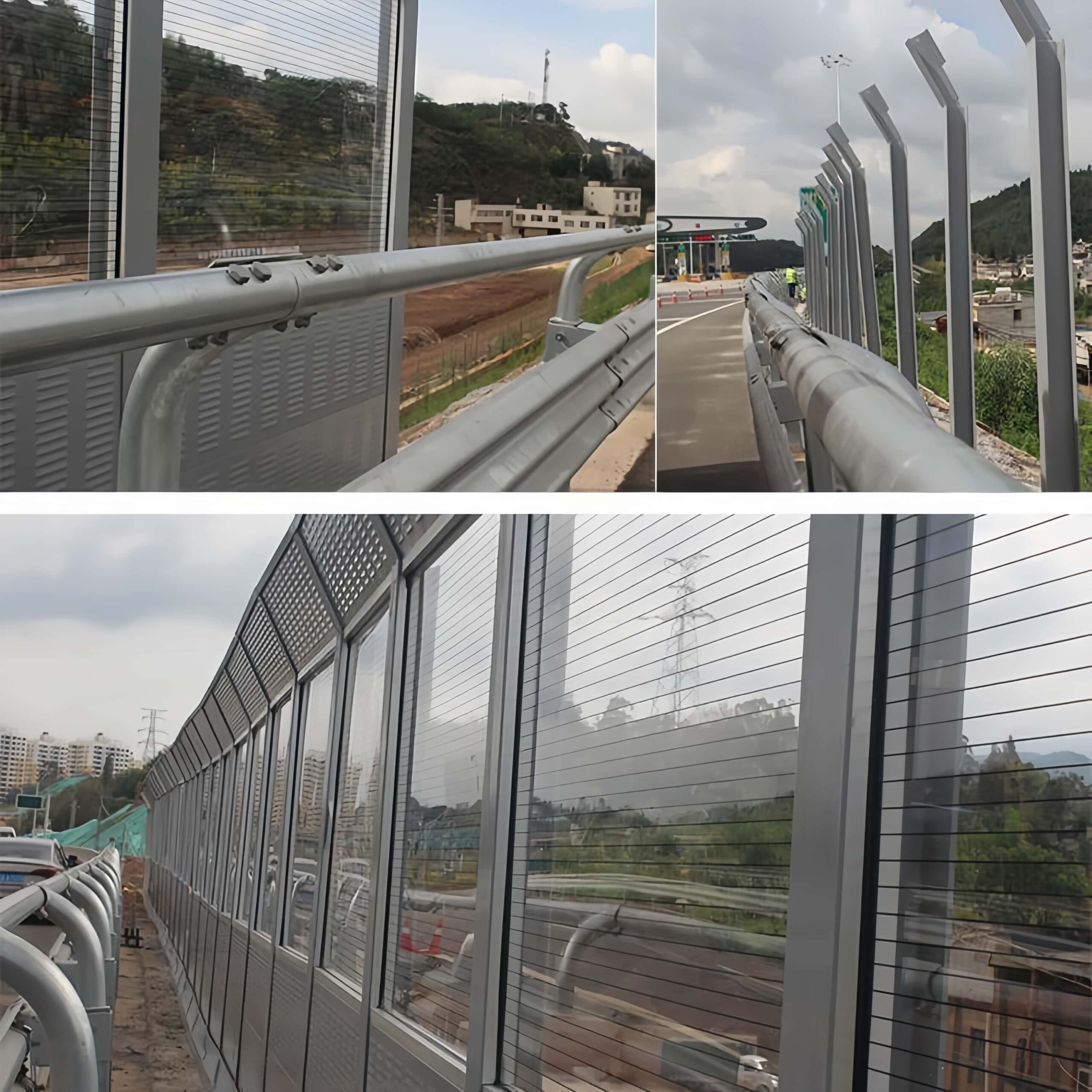
What the spec should lock in up front
- UV-stable co-extruded acrylic, not plain clear sheet.
- A thickness sized for the wind load at the mounting height.
- Surface finish chosen to resist grit abrasion.
- A cleaning plan, because optics decay faster than acoustics.
- Frame and seal detail so the panel does not rattle or whistle.
For how the material holds up outdoors, see acrylic yellowing, UV protection and outdoor lifespan, and for the supplier side, what to check before ordering an acrylic highway noise barrier.
Frequently Asked Questions
Q: How long do clear highway noise barrier panels stay clear?
A: With UV-stable co-extruded acrylic and a sensible cleaning plan, clarity holds well across years; untreated sheet dulls far sooner under road grit and sun.
Q: Do transparent highway panels need special cleaning?
A: Yes. Grit and exhaust film build up on any glazing; a scheduled wash preserves the optical value that is the whole point of a transparent barrier.
For a transparent noise barrier quotation matched to your project, email oversales@rpplexiglass.com with the route, height and panel spec.