
A station manager replaced a broken ticket-office window with ordinary glass, then watched the same window shatter again during a crowded incident. The fix was polycarbonate security glazing for train station openings, which absorbs impacts that crack glass and stays in place under crowd pressure.
Why station glazing is a different problem
Rail stations combine three pressures that break ordinary glazing: heavy crowd contact, vibration from passing trains, and occasional deliberate or accidental impact. Polycarbonate answers all three because it bends under impact instead of shattering, so there is no falling glass in a crowded concourse. The glazing is sized to the opening, framed to handle train vibration without stress cracks, and rated to the threat the station faces — from forced entry to, in high-risk locations, a bullet-resistant level.
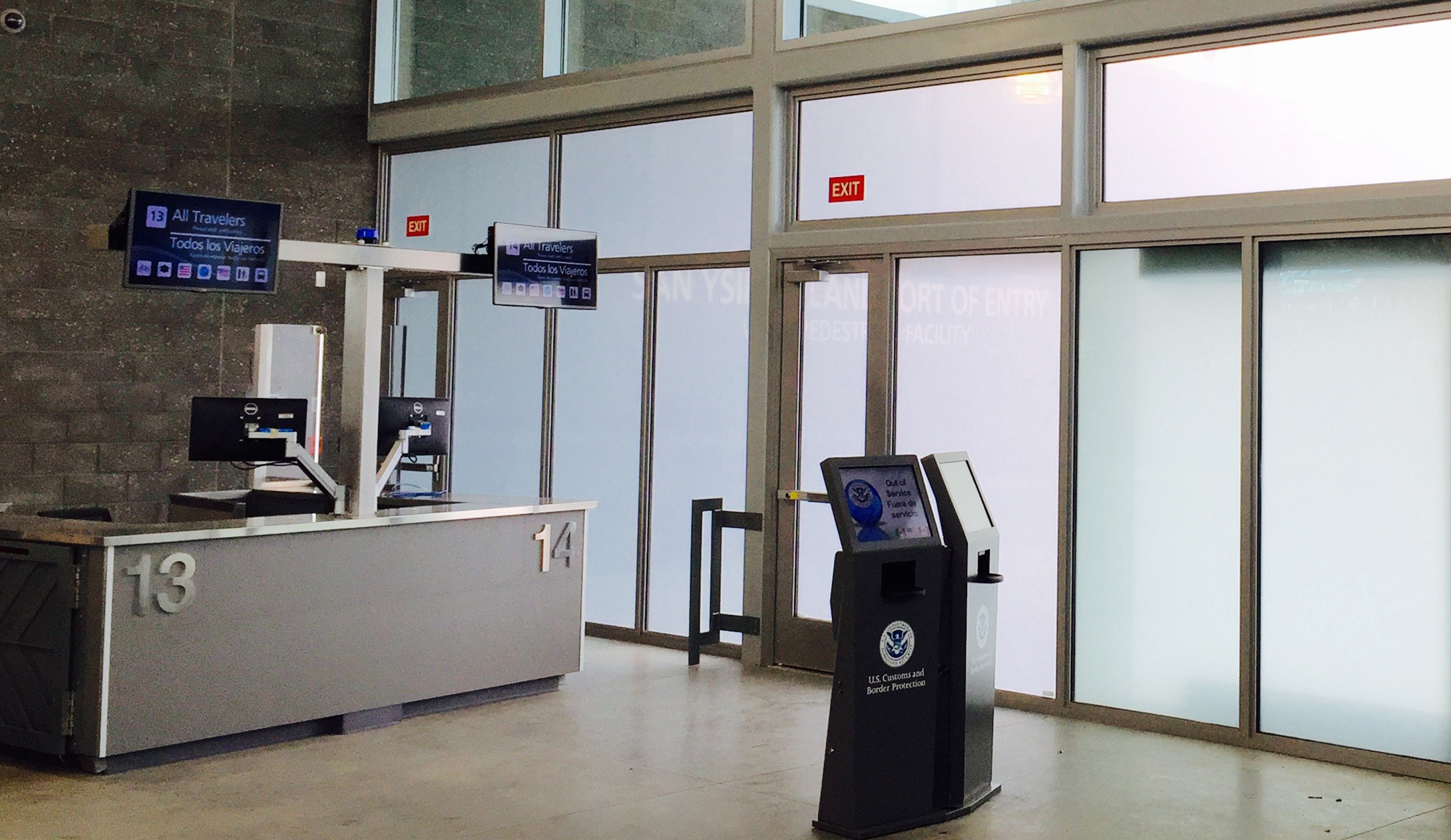
What a station glazing spec must cover
- Impact resistance that survives crowd contact without falling glass.
- Framing that absorbs train vibration without stress cracks.
- Threat rating matched to the opening’s risk, from forced entry to ballistic.
- Clarity kept so staff and passengers keep sightlines.
The general polycarbonate security option is covered in the polycarbonate security glazing guide, and the court-style install in security glazing for a courthouse.
Frequently Asked Questions
Q: Why is polycarbonate security glazing used in train stations?
A:Polycarbonate bends under impact instead of shattering, so there is no falling glass in a crowded station. It also resists forced entry and, at higher ratings, bullets.
Q: Does security glazing block the view in a station?
A:No. Polycarbonate stays transparent, so staff and passengers keep sightlines while the window resists impact and forced entry.
For a bullet-resistant or security polycarbonate glazing quoted to your threat level, panel size and frame system, email oversales@rpplexiglass.com with the threat level, panel dimensions and the opening type you need to protect.