
On an elevated road the same transparent panel is asked to do two jobs. As a acrylic noise and wind barrier it must block traffic sound for the homes below while it also stands up to the crosswind that gusts across the deck — and the two requirements pull thickness and fixing in different directions.
Two loads, one panel
Acoustically, a barrier mostly needs enough mass and a tight installation to reflect noise back. Structurally, the same panel has to take a design wind load that can be far higher than the acoustic requirement. The winning spec balances the two: a thickness and post spacing that pass the wind calculation, with fixing detail that also keeps the acoustic seal. If the engineer sizes only for noise, the panel works until the first storm.
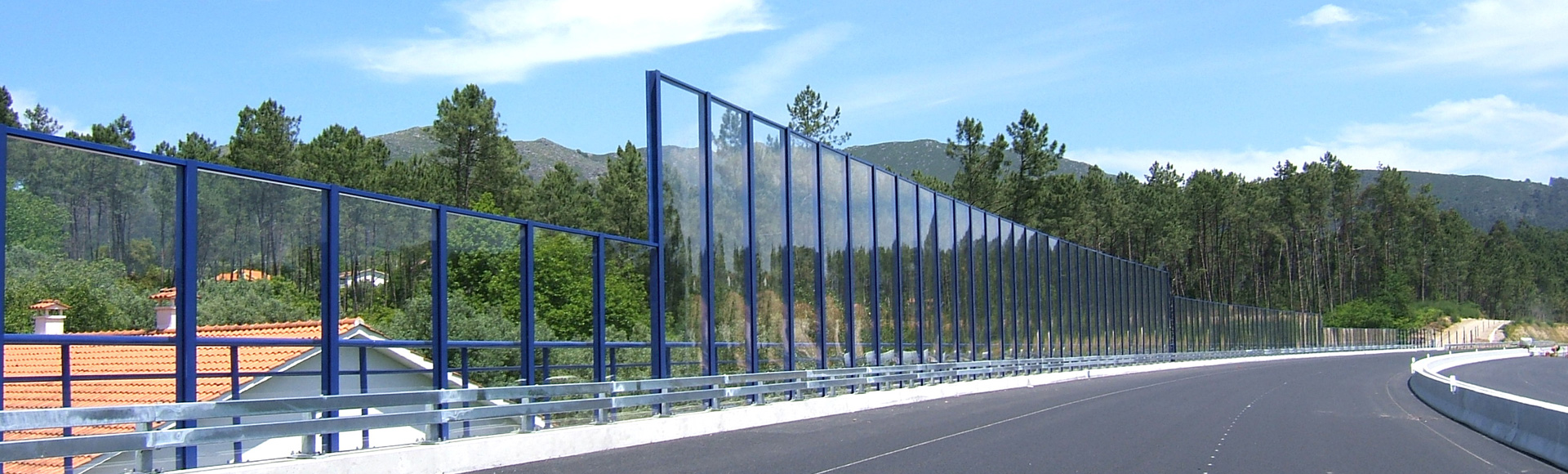
Balancing the two requirements
- Take the design wind speed for the deck, not a generic regional figure.
- Set thickness from the wind load, then check it still gives enough sound reduction.
- Frame and fix so the seal survives wind deflection without opening gaps.
- Use the same panel height for both the acoustic screen and the wind screen.
The combined screen’s behaviour on bridges is detailed in the bridge wind barrier load case, and the material choice that affects both loads is compared in acrylic versus polycarbonate barriers.
Frequently Asked Questions
Q: Can one transparent panel really act as both a noise and a wind barrier?
A:Yes, when thickness and framing are set by the wind calculation first and the acoustic seal is kept tight. The same sheet then reflects sound and resists the crosswind.
Q: What thickness does an acrylic noise and wind barrier need?
A:It depends on the site wind zone and panel span. Higher decks need thicker panels and tighter post spacing than a ground-level acoustic-only barrier.
For a transparent acrylic barrier quoted to your route, loading and test standard, email oversales@rpplexiglass.com with the corridor length, panel height, thickness and the standard you need to meet.